
AI assistants are increasingly expected to do more than answer questions. People want them to search company knowledge, check calendars, query databases, and take action in business software. That demand has made the Model Context Protocol, commonly known as MCP, a widely discussed term among developers. A new MCP specification released on July 28, 2026 introduced a stateless core designed to make MCP services easier to run reliably at scale.
What Is the Model Context Protocol?
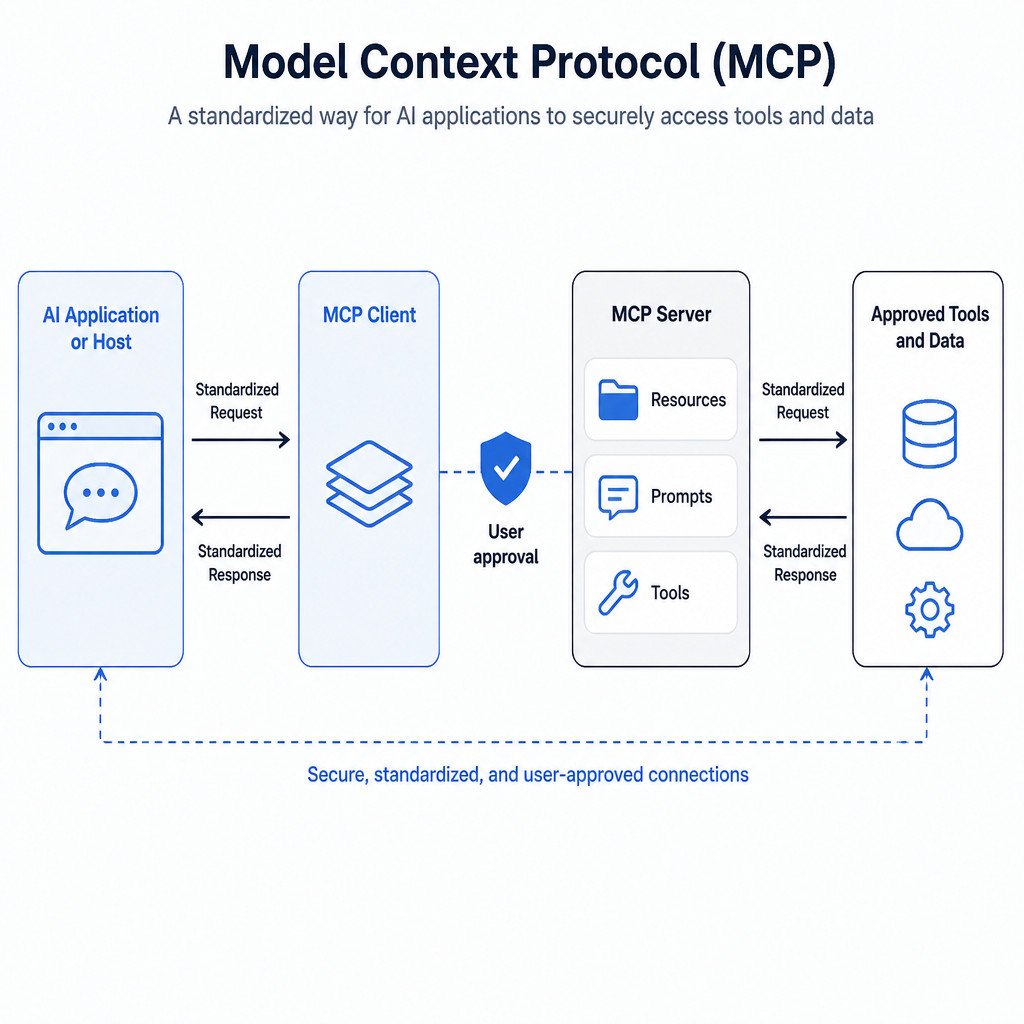
Model Context Protocol is an open technical standard that connects an AI application with external tools and data sources. Without it, every AI product may need a separate custom integration for each calendar, database, file system, or web service. MCP provides a common way to describe and use those connections.
For example, an MCP server might offer the ability to search an approved knowledge base, retrieve a record from a business system, or run a calculation. The AI application can discover which tools are available and send structured requests to use them.
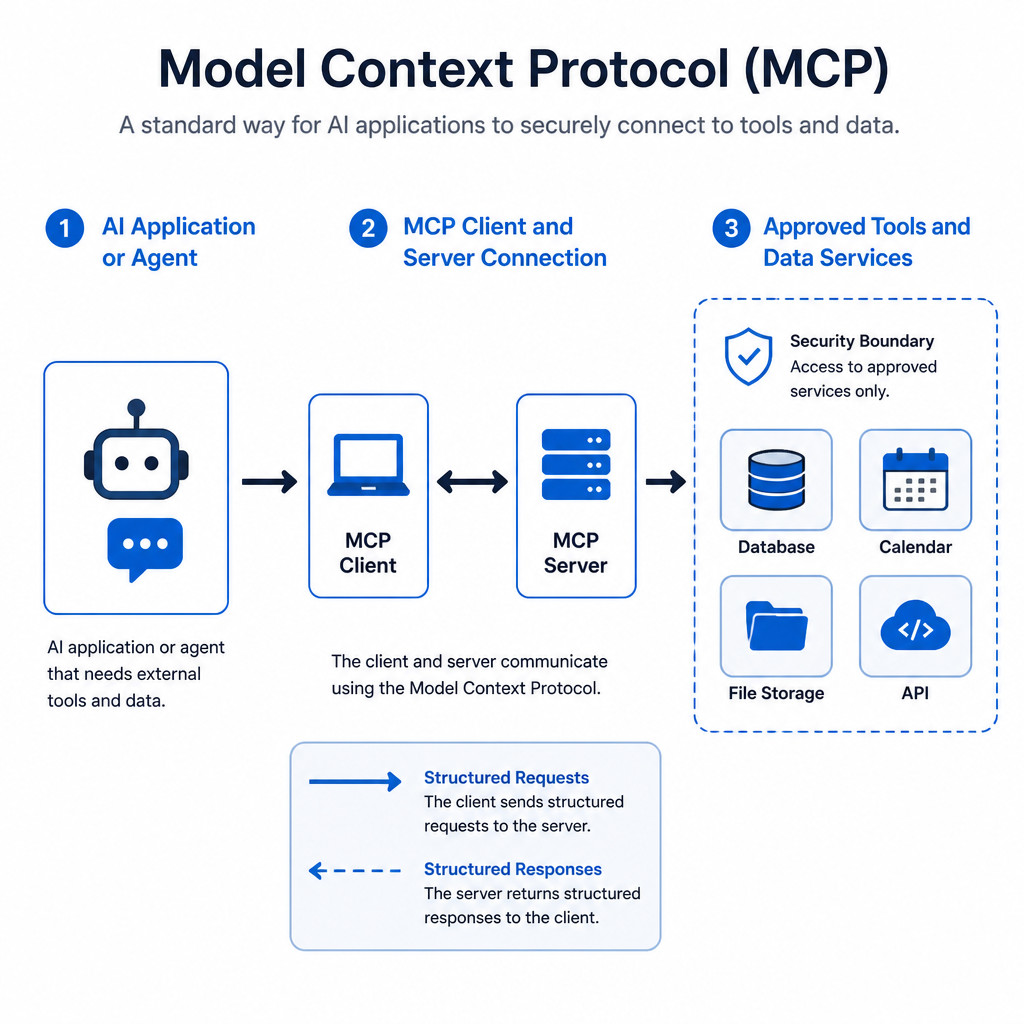
How MCP Works
An MCP setup typically has three parts: a host application containing the AI assistant, an MCP client that manages the connection, and an MCP server that exposes tools or resources. The server describes what it can do, including the names of its tools and the input each one expects. The AI application chooses a suitable tool, sends a request, and receives a structured result for use in its response or next step.
MCP uses JSON-RPC messages and can operate locally through standard input/output or remotely over HTTP. It’s a connection standard, not an AI model. The protocol doesn’t make an assistant more intelligent. Instead, it gives the assistant a standard route to useful external systems.
Why MCP Matters
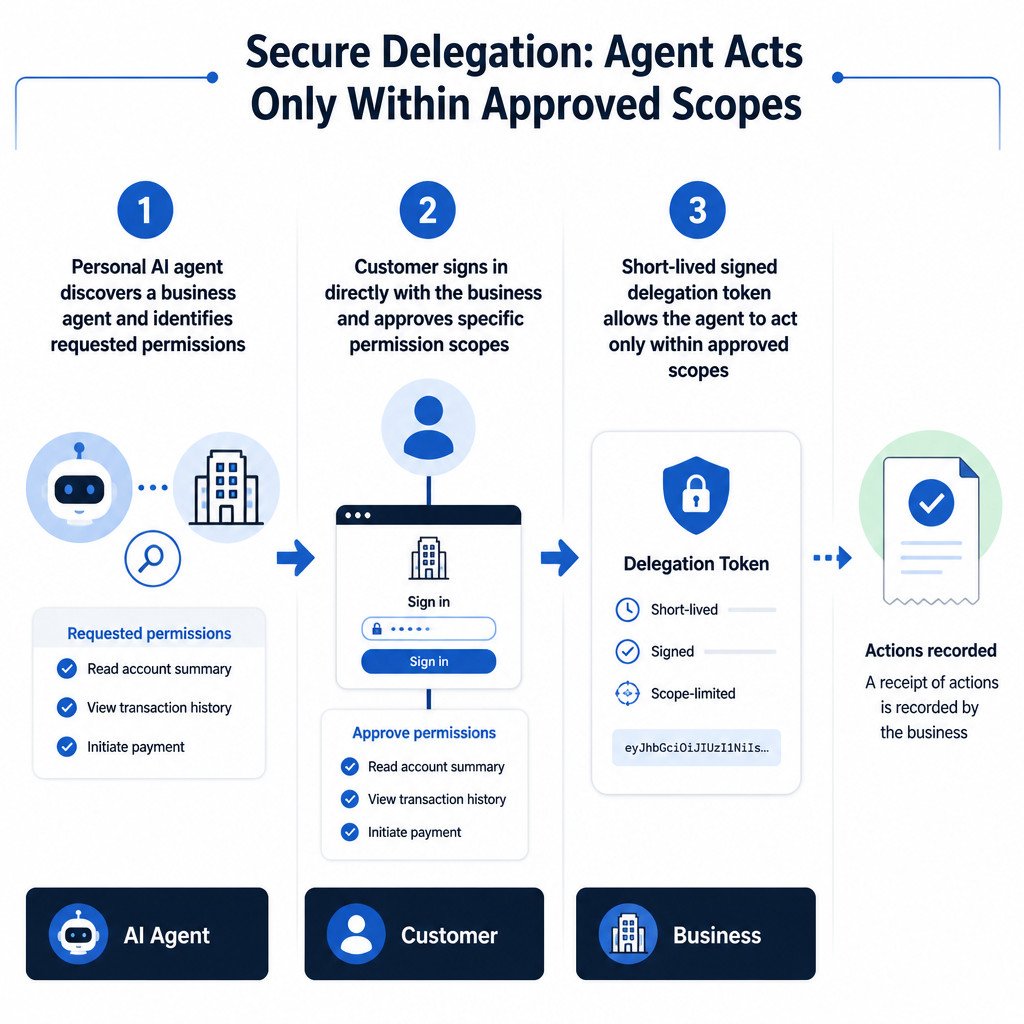
MCP can reduce the work required to connect AI assistants with existing software. It can also make those integrations more portable between compatible AI clients. Developers get a clearer place to define tool schemas, access controls, and authorization requirements, rather than expecting an AI model to guess how a service works.
The July 2026 update removed protocol-level sessions from the core design, allowing each request to carry its own metadata. That model fits ordinary scalable web infrastructure, where different server instances may handle separate requests. As AI agents become more common in workplace software, standards such as MCP could make access to tools more consistent, manageable, and auditable.

?)