Confidential computing uses hardware-backed trusted execution environments to reduce exposure of sensitive data while an application is processing it. It can narrow trust in infrastructure, but it does not replace encryption, secure code, identity controls, or key management.
Apple’s first foldable iPhone turns foldables from an experimental hardware category into a major platform battle over software, apps, and everyday usability.
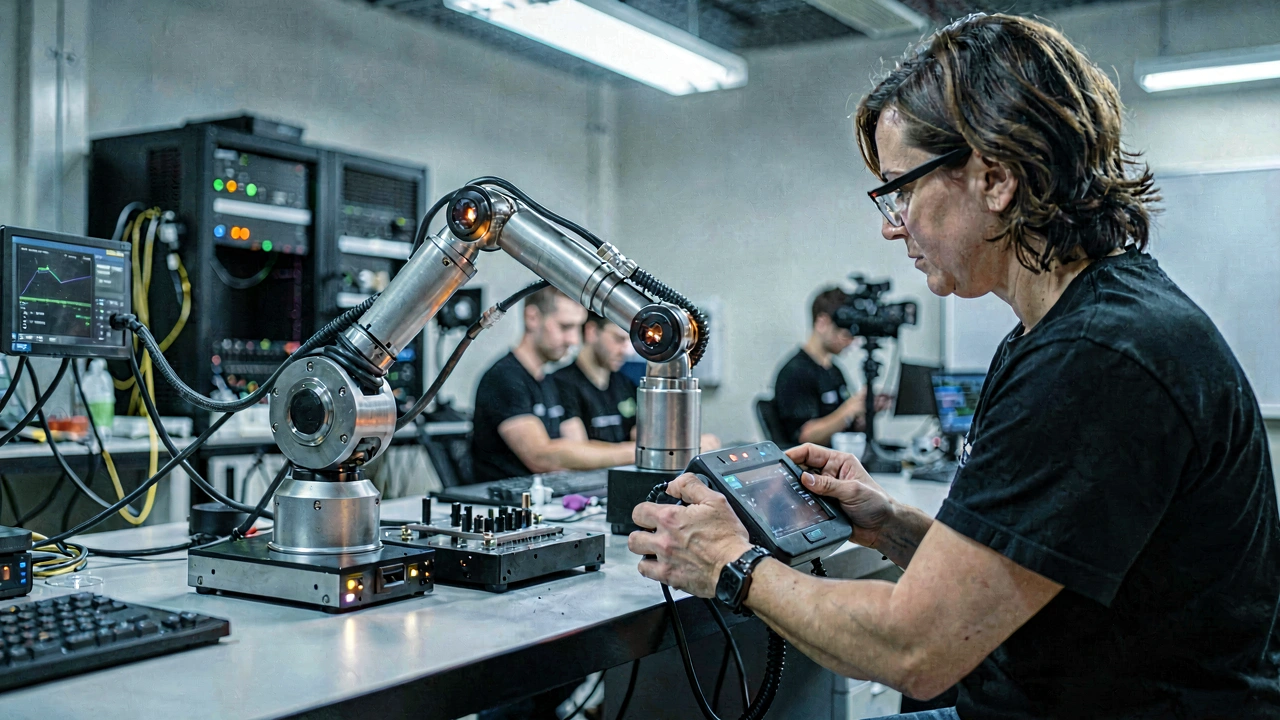
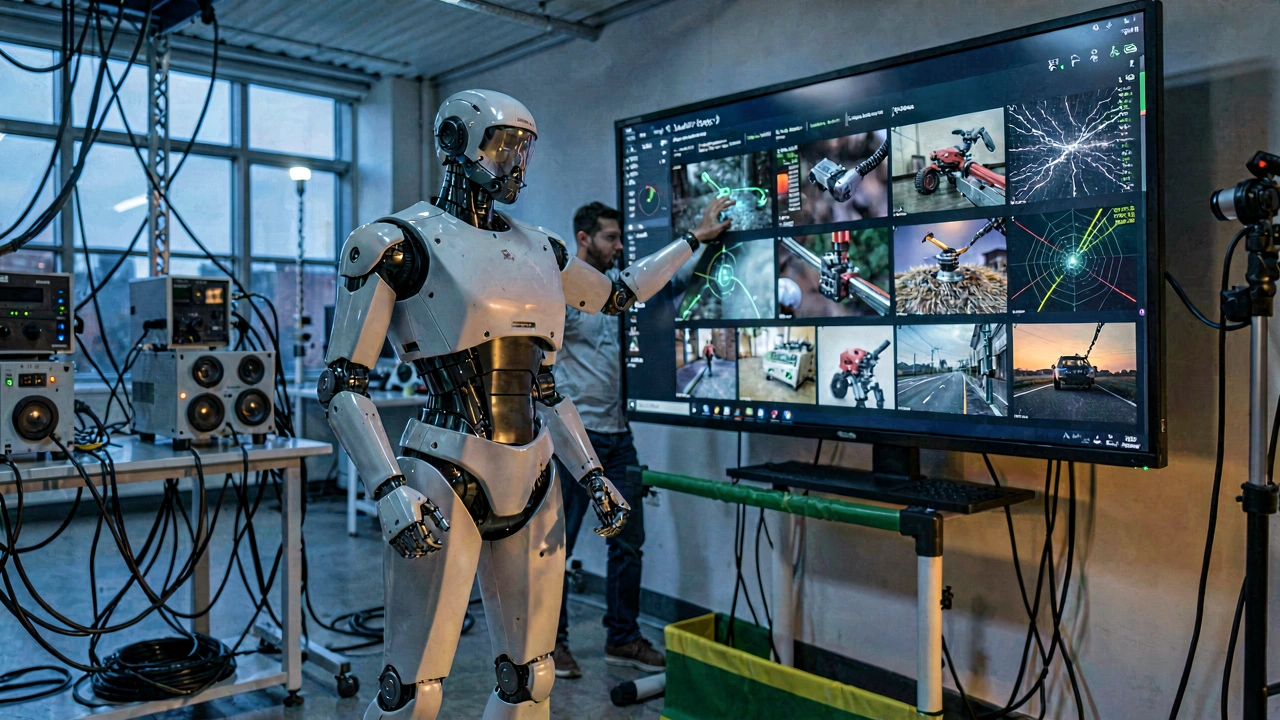
A reported funding surge around XDOF highlights a deeper shift in robotics: the next breakthrough may depend less on hardware and more on the data used to train machines.
Fake GTA 6 demos and leaked builds are spreading infostealing malware, showing how gaming hype, search results, and unfinished information can combine into a cybersecurity trap.
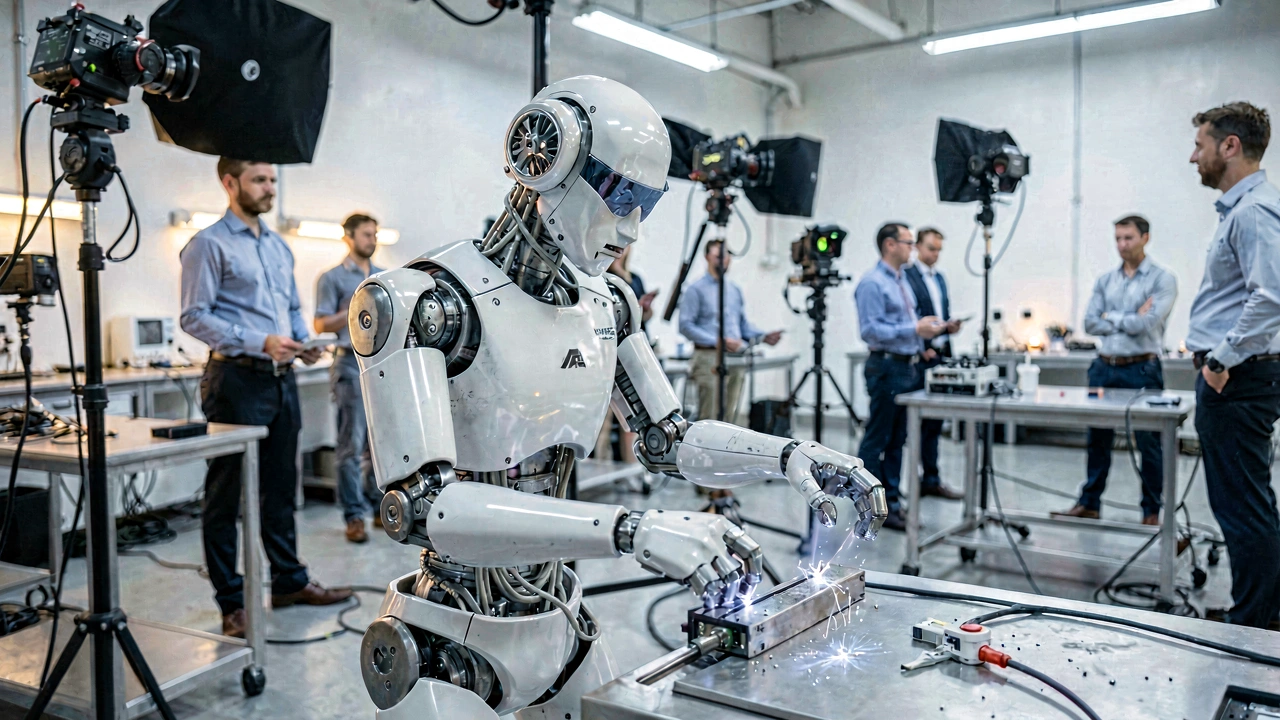
A huge Unitree IPO spike and growing concern over robot training data show that humanoid robotics is moving from investor excitement toward a tougher execution phase.
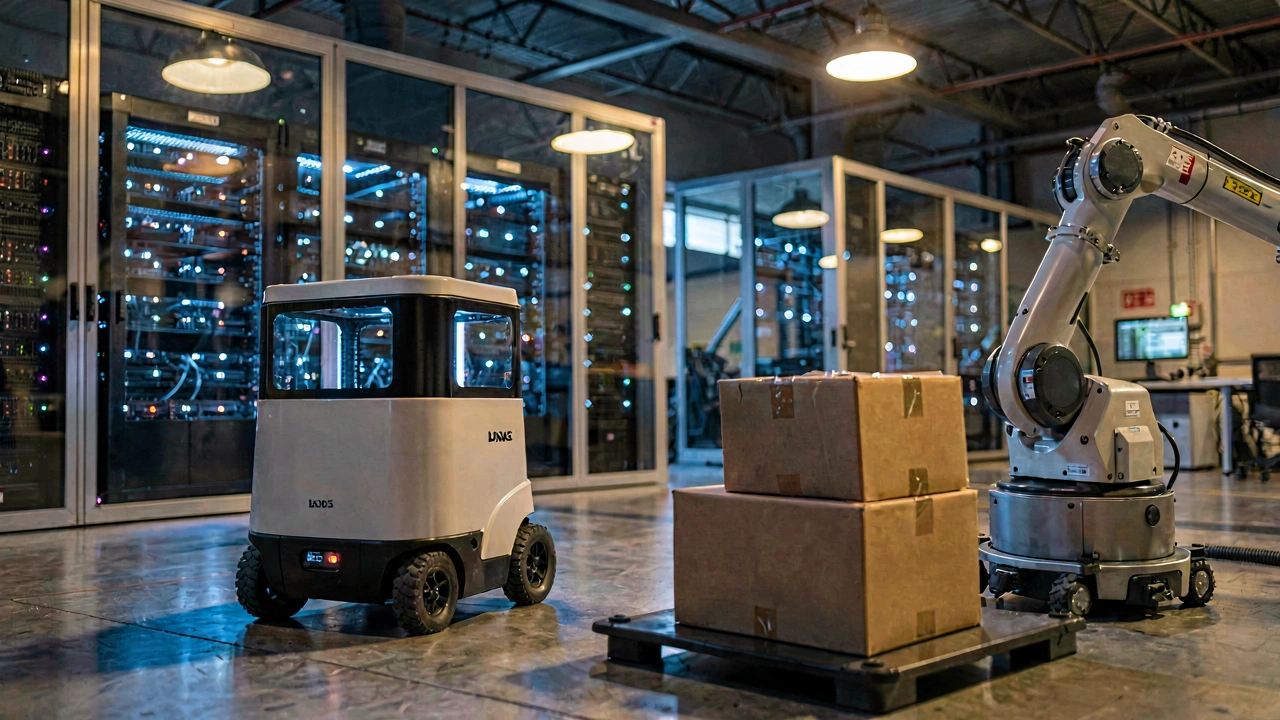
AWS and Nvidia’s latest expansion points to a bigger shift: cloud AI infrastructure is being built not only for chatbots, but for robots that work in the physical world.
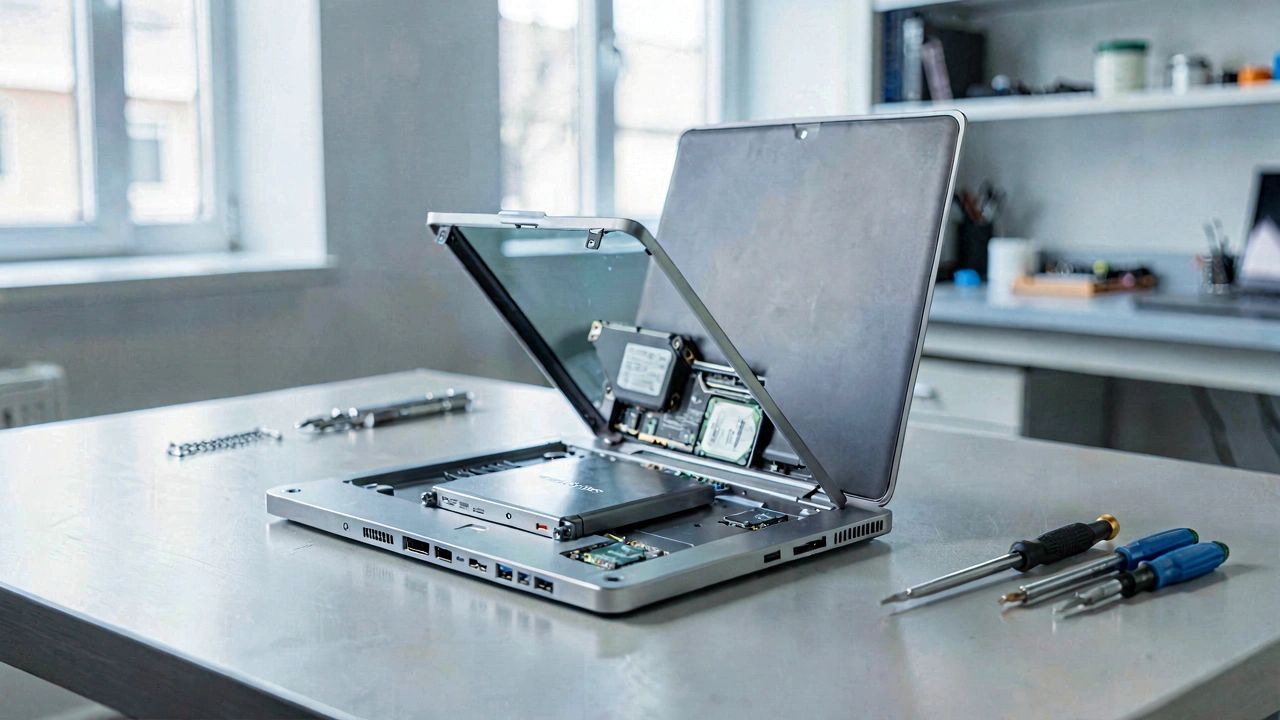
Sennheiser’s new Momentum True Wireless 5 puts replaceable batteries in both earbuds and the charging case, signalling a practical shift away from disposable audio gear.