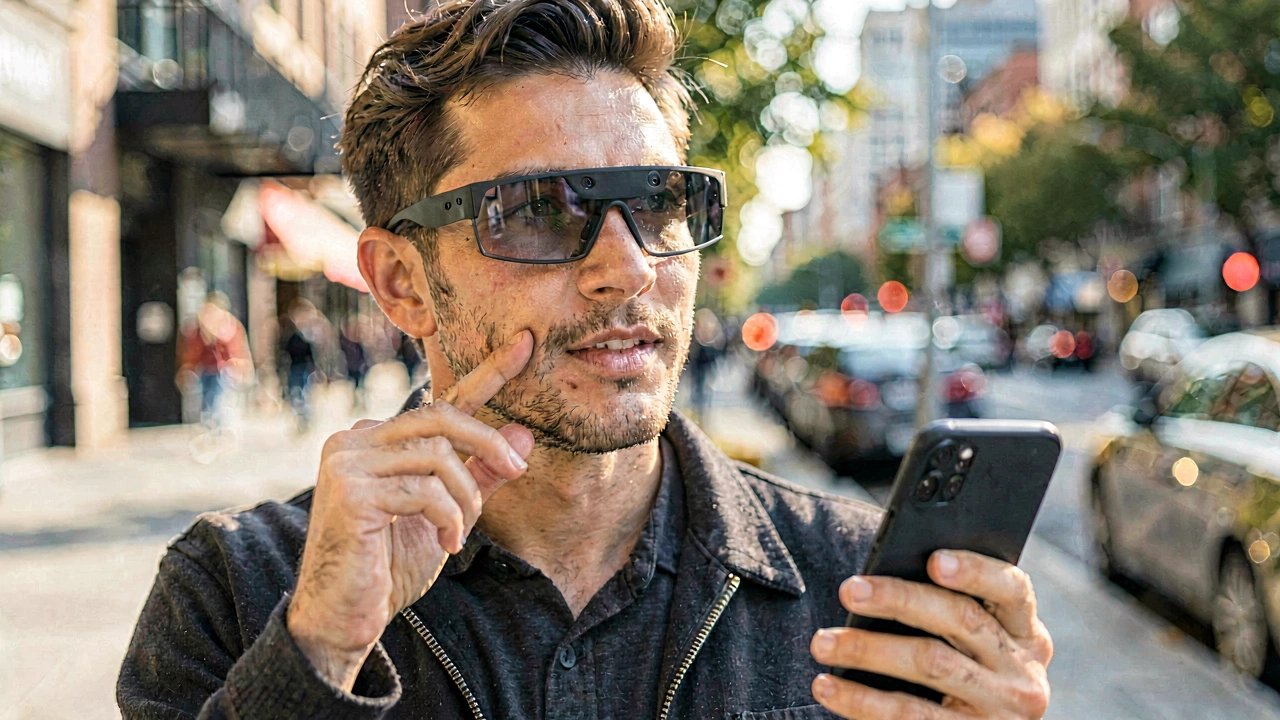
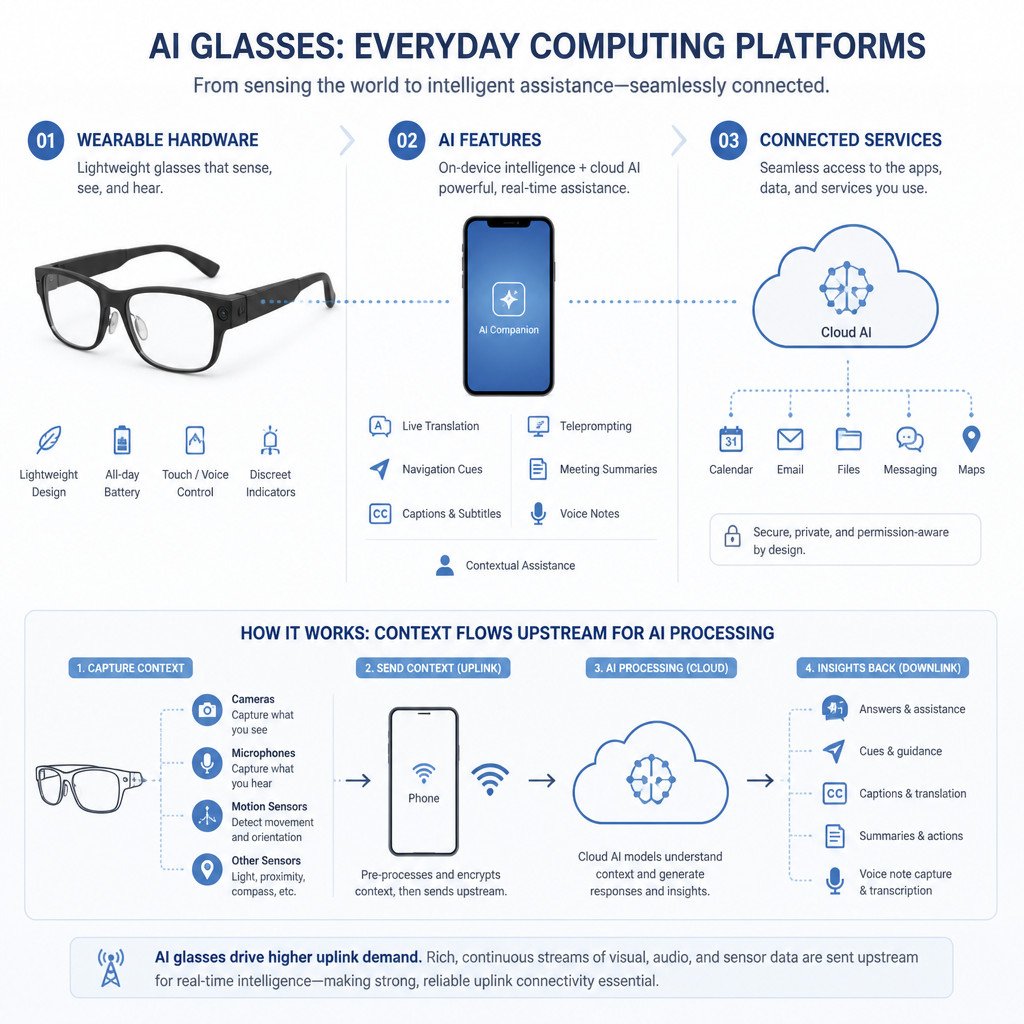
AI glasses are having a different kind of breakout moment. The newest products aren’t being framed only as futuristic displays or experimental augmented-reality hardware. Instead, they’re increasingly pitched as everyday assistants that can translate conversations, show directions, summarize meetings and bring up information without making users reach for a phone.
The clearest recent signal came at IFA 2026 in Berlin, held September 4 to 8. Several companies used the event to show AI eyewear in practical settings, making the category feel less like a group of prototypes and more like an emerging consumer platform.
Useful assistance takes center stage
RayNeo’s IFA launch reflected that shift. Its RayNeo iO smart glasses use a discreet heads-up display for schedules, weather, navigation prompts and smartphone notifications. The company says the 33-gram glasses also offer live captions, multilingual translation, teleprompting and AI-generated summaries. Retail sales began September 4, with a listed starting price of $499.
INMO’s GO3 made a similar case in a different form. The 58-gram binocular-display glasses are built around translation, navigation and workplace tools, including meeting transcription, summaries, action items and voice notes. The product was also named an IFA Innovation Award honoree.
These announcements stand out because they center on tasks people already recognize. A translation subtitle, a walking direction or a meeting summary is easier to judge than an abstract promise about “spatial computing.” The technology is being presented as a way to cut down on screen checking, rather than another screen users have to stare at.
The platform fight is beginning
The bigger development may be taking place behind the frames. On September 9, Rokid announced the global launch of AIUI Studio, a browser-based tool for building and publishing applications for its AI glasses. The company says developers can describe ideas in plain language, test them with hardware simulation, then optimize them for lower latency, memory use and power consumption.
It points to a familiar technology pattern. Hardware becomes more valuable as a developer ecosystem grows around it. If AI glasses can support useful, task-specific “agents,” they could develop beyond branded accessories into platforms with services users return to each day.
Networks may need to catch up
There’s also a less visible effect. In an analysis published September 11, Ericsson warned that AI wearables and autonomous systems could drive much heavier uplink use on mobile networks. Rather than mostly downloading content, glasses may continuously send video, audio and sensor context to AI systems for real-time processing.
That raises practical questions around latency, battery life, privacy and data costs. The most capable glasses will need to determine what can be handled locally, what should go through the phone and what requires the cloud.
The trend is still in its early stages, and comfort, privacy and reliability will decide if people wear these devices beyond a demo. But IFA 2026 showed the conversation has moved on. AI glasses are no longer competing only to display information. They’re competing to become the quiet interface between people, software and the physical world.