For years, smartwatches have mostly served as notification screens and fitness trackers, while smart glasses remained an intriguing side project. Samsung’s July 22 Galaxy Unpacked event suggests the company now sees those categories as parts of a larger AI system.
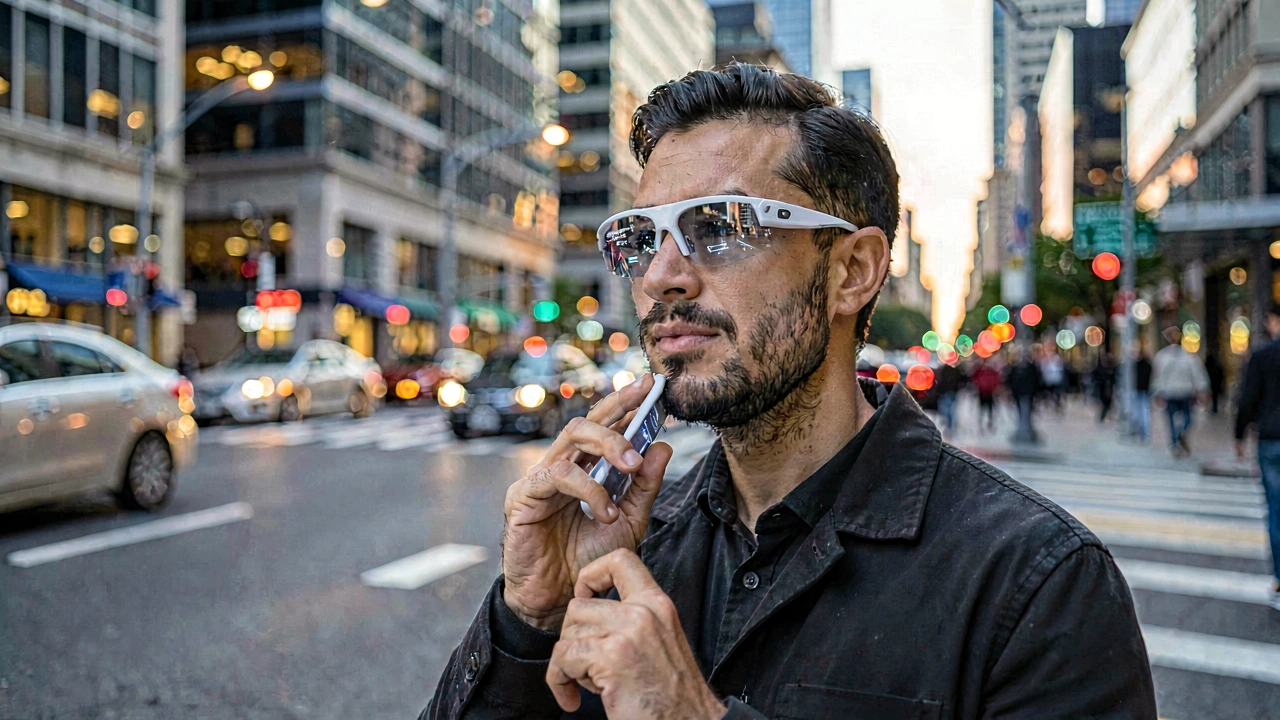
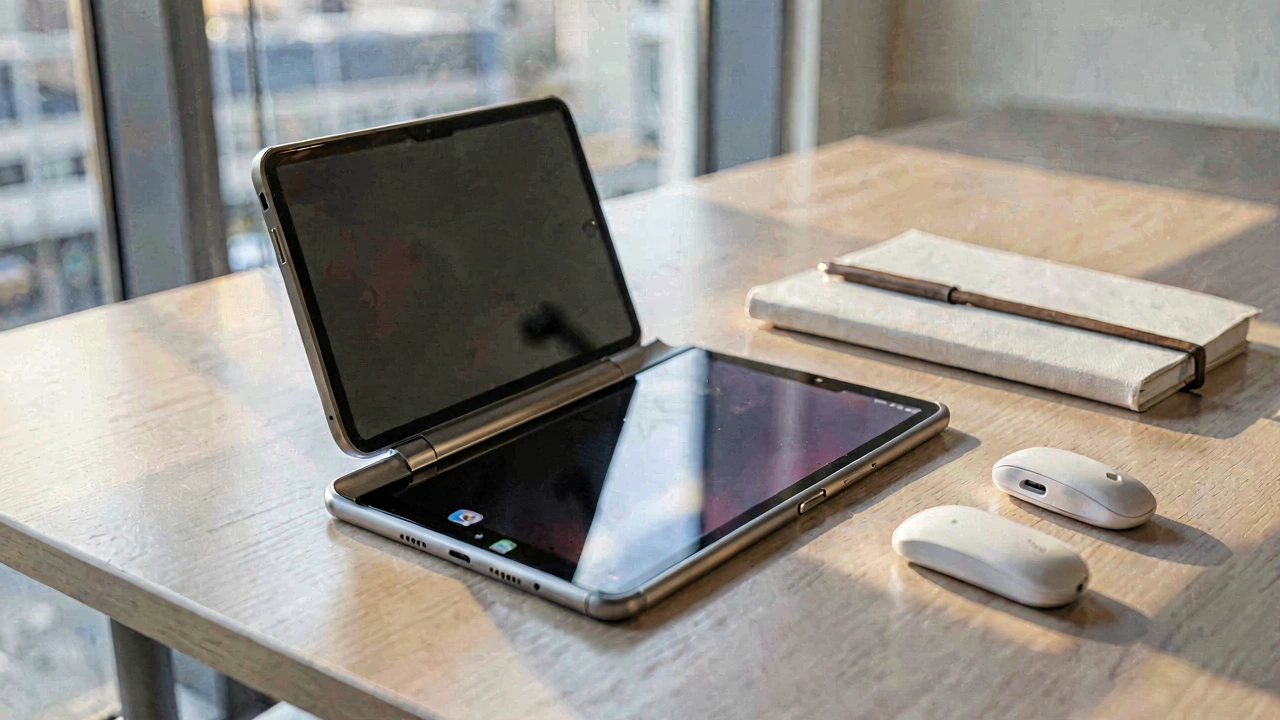
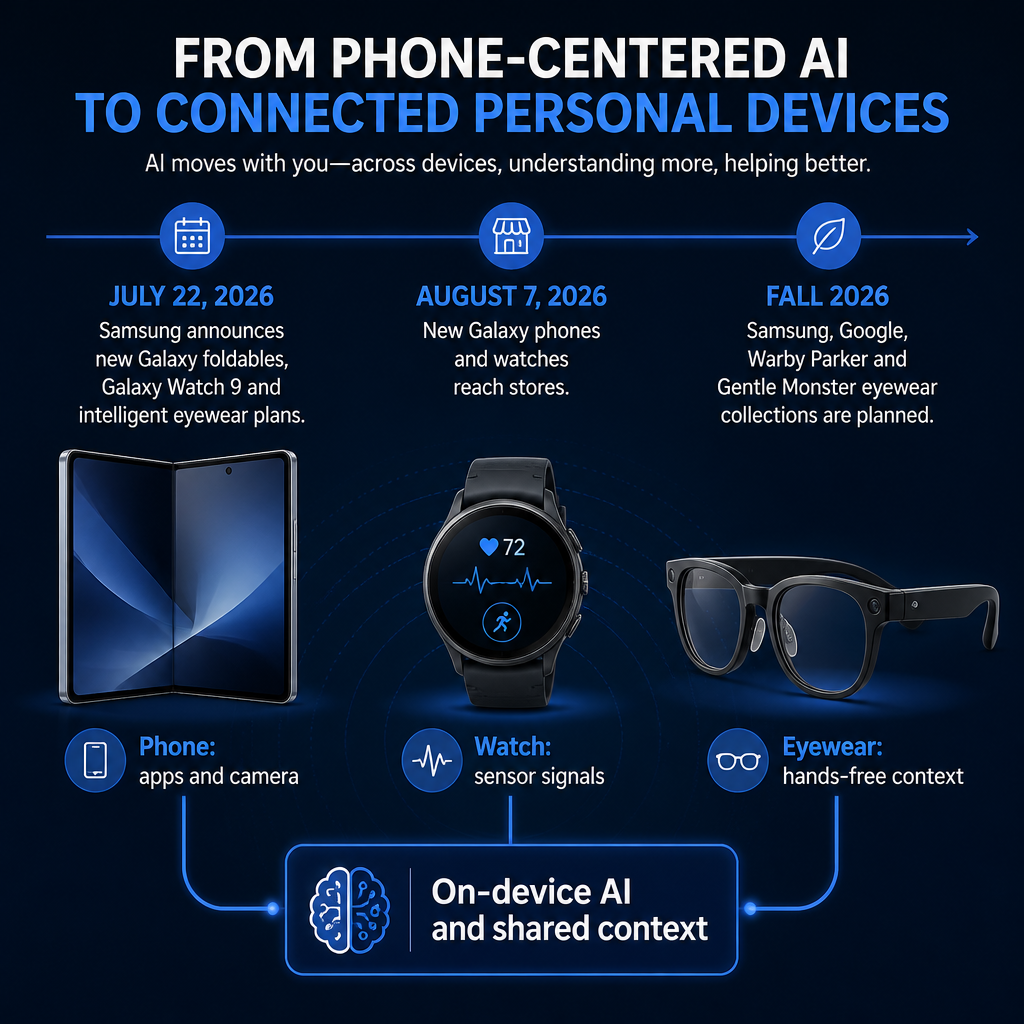
Samsung introduced the Galaxy Z Fold8 Ultra, Z Fold8, Z Flip8, Galaxy Watch9 and Galaxy Watch Ultra2. It also previewed intelligent eyewear being developed through its wider work with Google, Warby Parker and Gentle Monster. The phones and watches are scheduled to reach stores on August 7, 2026, with the eyewear collections planned for this fall.
The broader shift in AI devices
The bigger change here is the way AI is spreading across the devices people carry and wear instead of staying inside a phone app. Qualcomm, whose chips power Samsung’s latest Galaxy lineup, describes this direction as a connected experience spanning smartphones, wearables and eyewear, with more processing handled locally on each device.
Each device, after all, sees a different part of someone’s day. A foldable phone offers a large screen, apps and cameras. A watch stays on the wrist for long stretches and can gather sensor signals. Glasses could provide hands-free access to information along with a first-person viewpoint. Combined, those pieces point toward an assistant that responds to context rather than waiting for someone to ask a chatbot a question.
Why Samsung’s launch matters
Samsung isn’t the only company pursuing AI wearables, but this launch makes its strategy unusually easy to see. The new Galaxy phones run on Qualcomm’s Snapdragon 8 Elite Gen 5 for Galaxy platform, while the Watch9 line uses Snapdragon Wear Elite. According to Qualcomm, the watch platform is designed for advanced sensor fusion and more proactive, personalized experiences.
That language deserves some skepticism. “Personal AI” remains a product vision, not evidence that a watch or pair of glasses can reliably understand every situation. Context-aware computing also brings familiar concerns about privacy, battery life and how much data should remain on a device rather than being sent to the cloud.
Even so, the hardware direction is clear. Wearables need enough efficient local computing to manage quick tasks without making every voice request, health signal or camera input travel to a data center and back. That helps explain why newer wearable chips put greater emphasis on neural processing and low-power operation alongside conventional performance.
The phone shifts into a central role
A phone replacement probably isn’t the immediate outcome. Instead, phones may become the control center for an expanding collection of AI-capable accessories. A watch could display a timely prompt, while glasses could reduce the need to keep looking down at a screen. The phone would still handle detailed work, settings and more complex apps.
Samsung’s August 7 retail launch will provide the first near-term test. If consumers see practical value in connected AI across a phone and watch, the smart-glasses rollout later in 2026 may feel less like a novelty and more like the next piece of a new personal-computing stack.