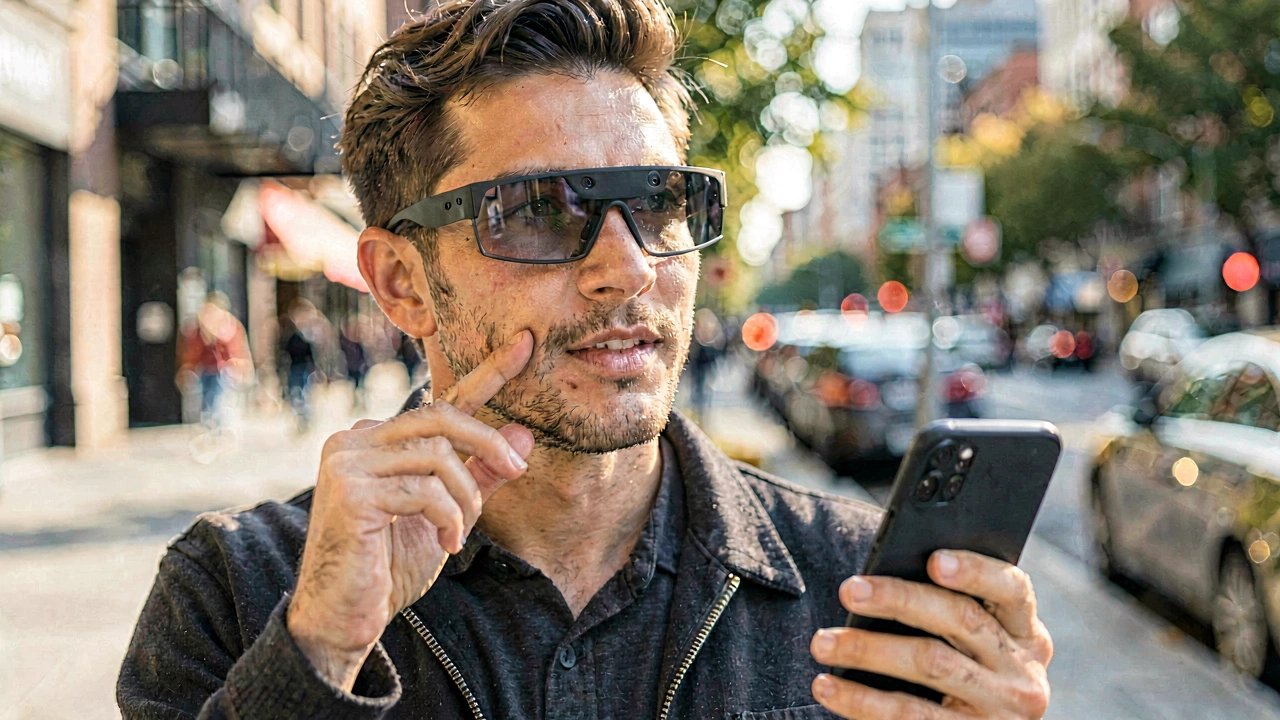
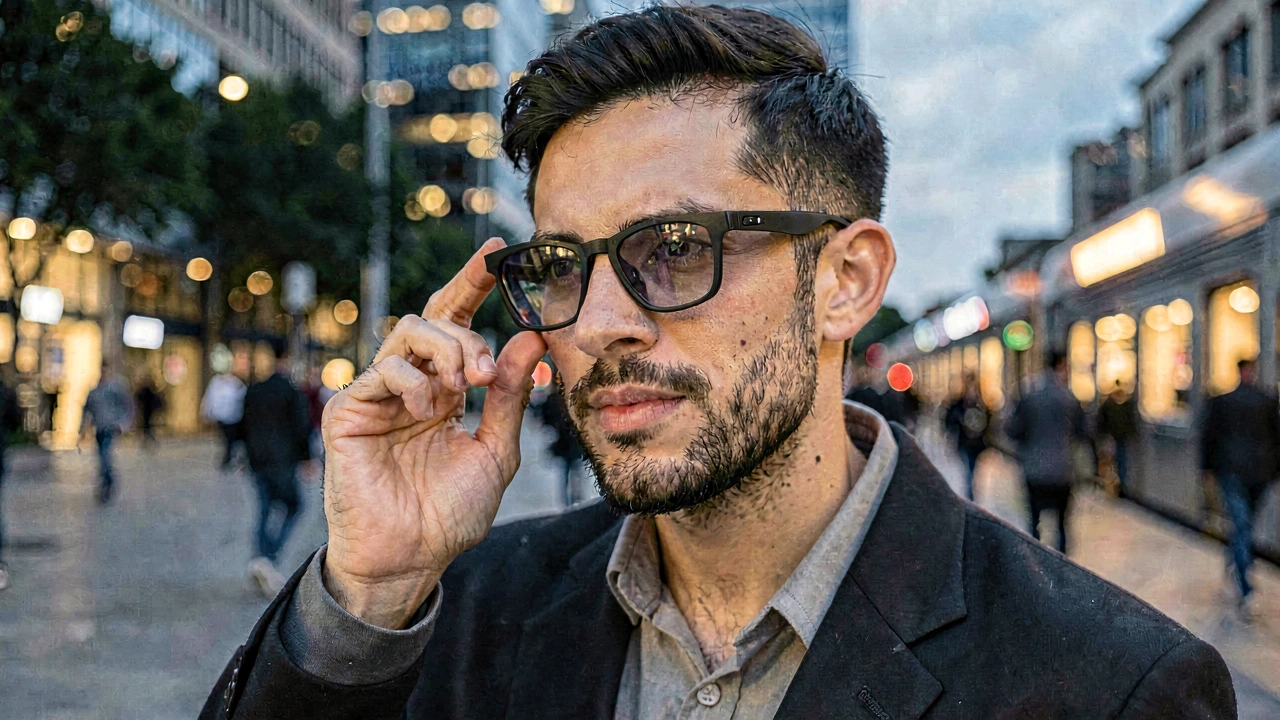
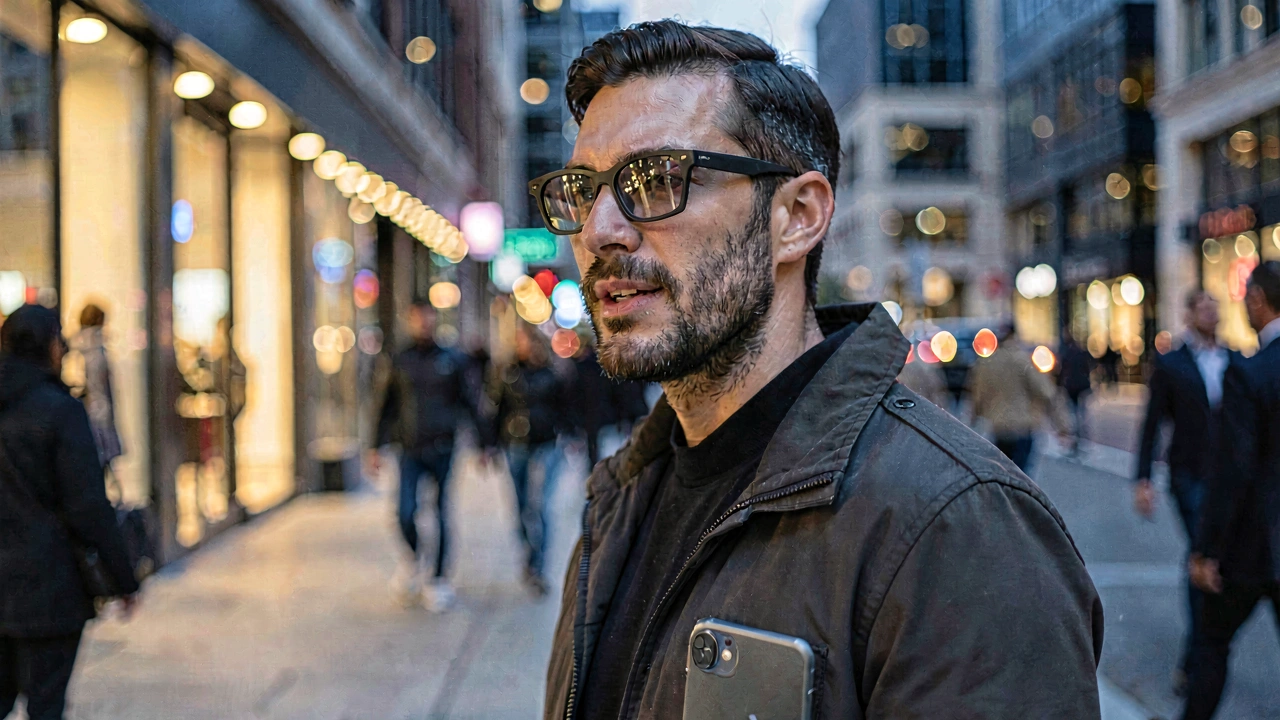
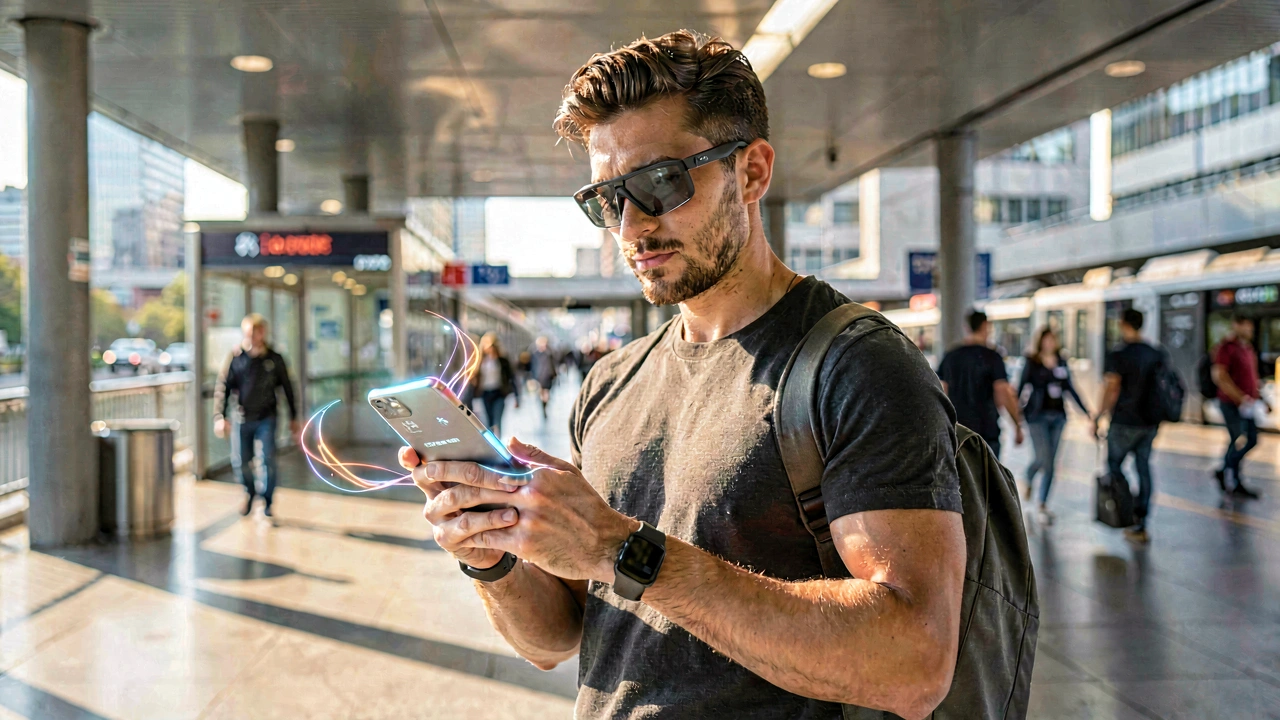
A pair of sunglasses that does absolutely nothing has become a surprisingly clear sign of where wearable technology may be headed.
On July 30, DuckDuckGo and sunglasses maker Knockaround released “Normal F****** Sunglasses,” a deliberately low-tech product with no camera, microphone, AI assistant, Bluetooth or app. The joke worked because the product was real. The limited run sold out quickly, and DuckDuckGo later said it had to cancel some orders after demand exceeded the available inventory.
There’s more to this than a successful piece of anti-tech marketing. The response highlighted a growing divide in smart glasses. People may want hands-free audio, translation, navigation and AI help, but many are much less comfortable with eyewear that can quietly aim a camera at everyone nearby.
Privacy is becoming a hardware choice
For years, smart-glasses makers saw cameras as the obvious route to making their products useful. A camera allows an assistant to see what the wearer sees, recognize objects and capture first-person video. But it can also turn an ordinary social interaction into a possible recording.
That tension is starting to shape product design. In July, Solos introduced its camera-free AirGo A6 alongside a camera-equipped model with an optional physical privacy cover. Other newer products, including MemoMind One, are promoting displays, voice controls and AI assistance without an outward-facing camera.
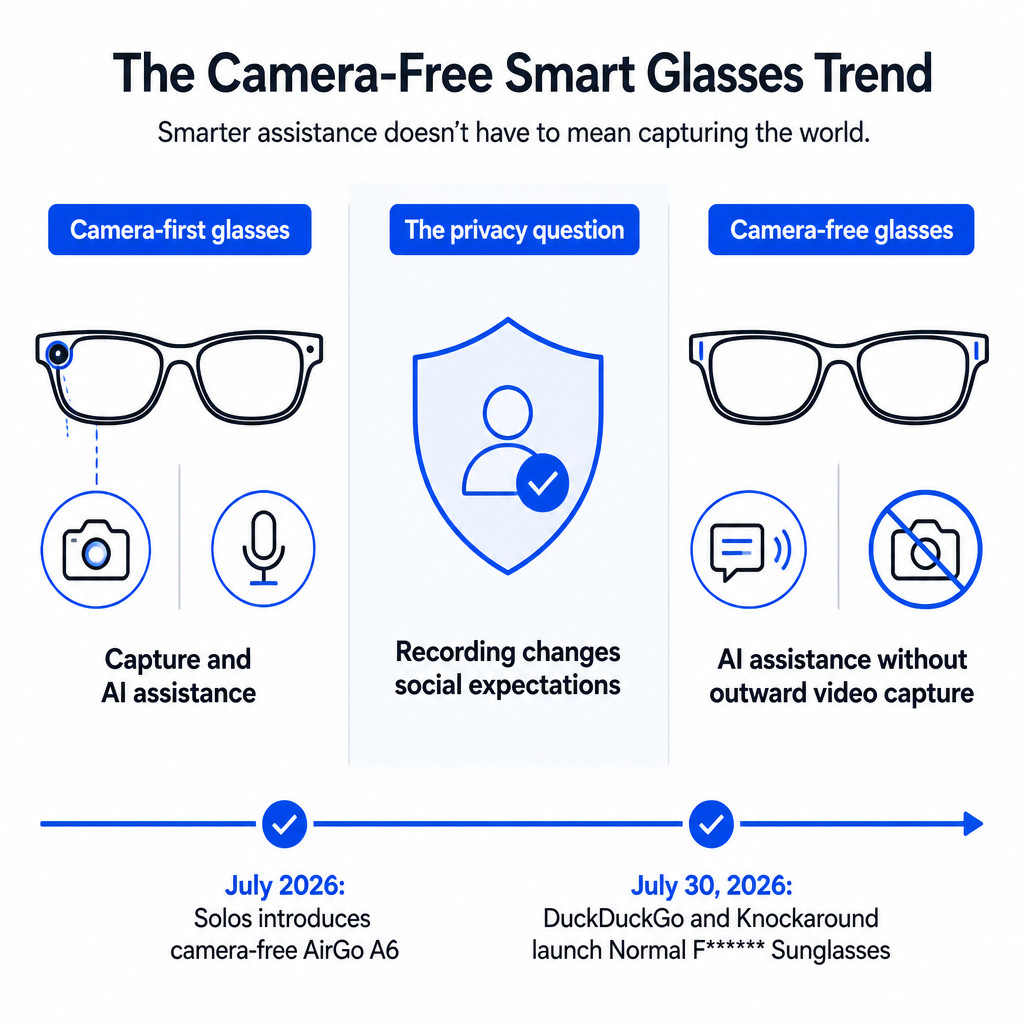
The difference is easy for people to understand. Privacy settings, indicator lights and usage policies all depend on trust. Glasses without a camera make a much more concrete promise: they can’t record video of the people around the wearer.
Camera-free doesn’t mean data-free. Glasses with microphones can still prompt questions about audio recording, cloud processing and the handling of voice requests. Even so, removing the camera reduces the concern considerably, especially in offices, classrooms, healthcare settings and social spaces where recording devices can make people uneasy.
The backlash is about cameras, not useful wearables
DuckDuckGo’s sunglasses are intentionally satirical, but the quick sellout carried the message to a much wider audience. The product turns a general discomfort with AI wearables into a straightforward consumer choice: normal eyewear or eyewear that can capture the surrounding world.
Smart-glasses companies are already responding to that concern. Meta says its AI glasses use a capture LED and that recording stops if the light is tampered with, according to the company’s privacy FAQ. Those safeguards may help, but they don’t eliminate the social uncertainty that comes with seeing someone wear glasses capable of recording.
That’s why camera-free designs are becoming more relevant. Bystanders don’t have to spot an LED, understand a brand’s rules or trust an app setting. The privacy boundary is built directly into the hardware.
What comes next
Camera-equipped glasses aren’t going away. Visual AI remains central to their appeal. Still, the market is likely to divide into clearer categories: capture-first glasses aimed at creators and visual assistance, and camera-free glasses for people who want audio, notifications or discreet displays without wearing a camera.
The next smart-glasses race may not be about adding the most sensors. It may come down to who can make useful technology feel the least intrusive.