AI agents are moving beyond chatbots that simply answer questions. They can search internal knowledge, create reports, book services, monitor systems, and carry out multi-step workflows. But agents built by different teams on different software platforms don’t automatically understand each other. The Agent2Agent, or A2A, Protocol is meant to solve that problem. It drew fresh attention after reports on August 17, 2026, said the Google-created standard was gaining a new home in the Agentic AI Foundation. (axios.com)
What the A2A Protocol Is
A2A is an open communication standard for AI agents. Instead of making every developer build a custom integration, it gives independent agents a shared way to find one another, explain what they can do, assign work, and return results. Google originally developed the protocol, which is now maintained as an open project associated with the Linux Foundation. (a2a-protocol.org)
It isn’t a toolkit for building an AI agent. A2A is a protocol, meaning an agreed set of rules that agents use once they already exist and need to work together.
How A2A Works
An A2A-enabled agent can publish an Agent Card, which is a machine-readable description of its identity, capabilities, supported input types, and connection details. A second agent can read the card and determine whether the first one is suitable for a particular job.
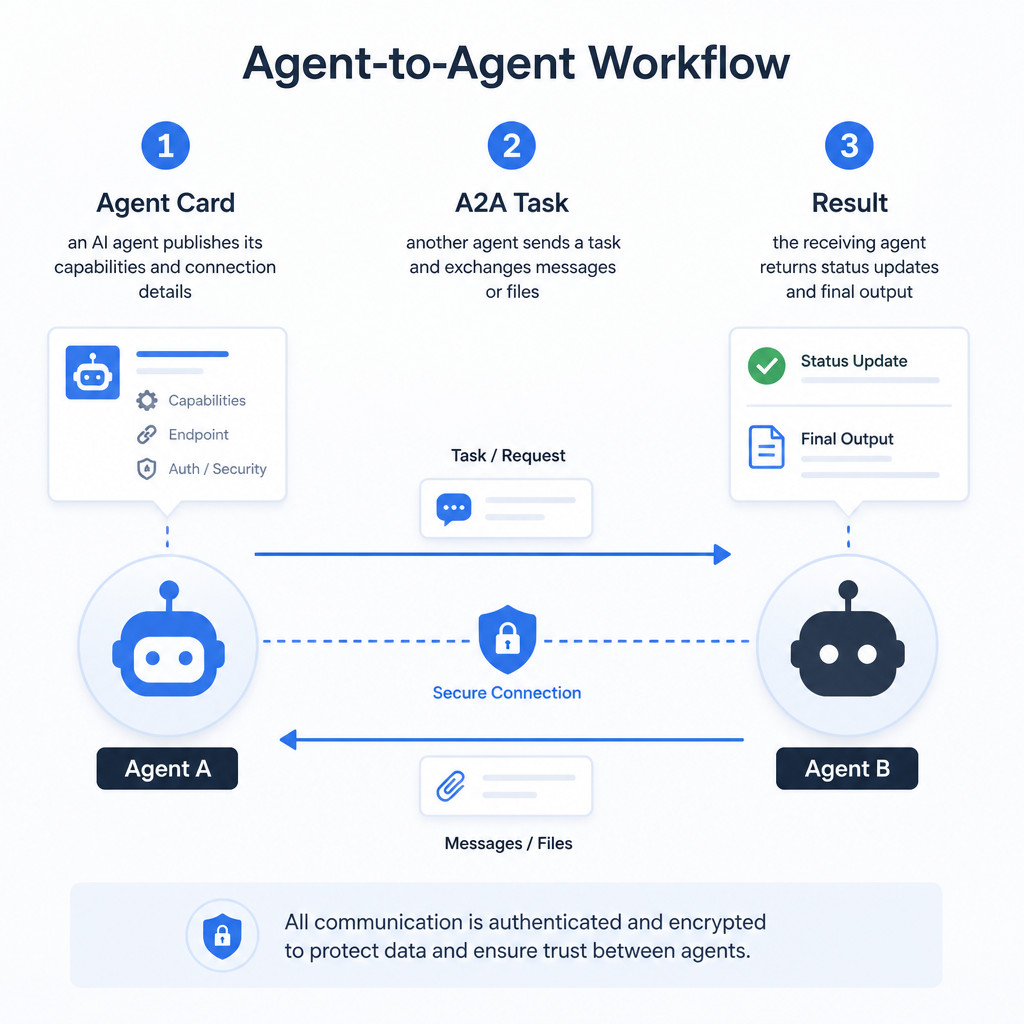
If it is, the requesting agent creates a task and sends messages, structured data, or files to the remote agent. The receiving agent may share progress updates, request more information, and eventually send back an output. This approach supports longer-running work without revealing the agent’s private memory, internal tools, or underlying implementation. (google-a2a.github.io)
Why A2A Matters
A2A could help organizations connect specialist agents rather than depend on one oversized assistant. A customer-support agent, for instance, could ask a billing agent to check an account. It might then use a scheduling agent to find an appointment and a policy agent to verify the answer.
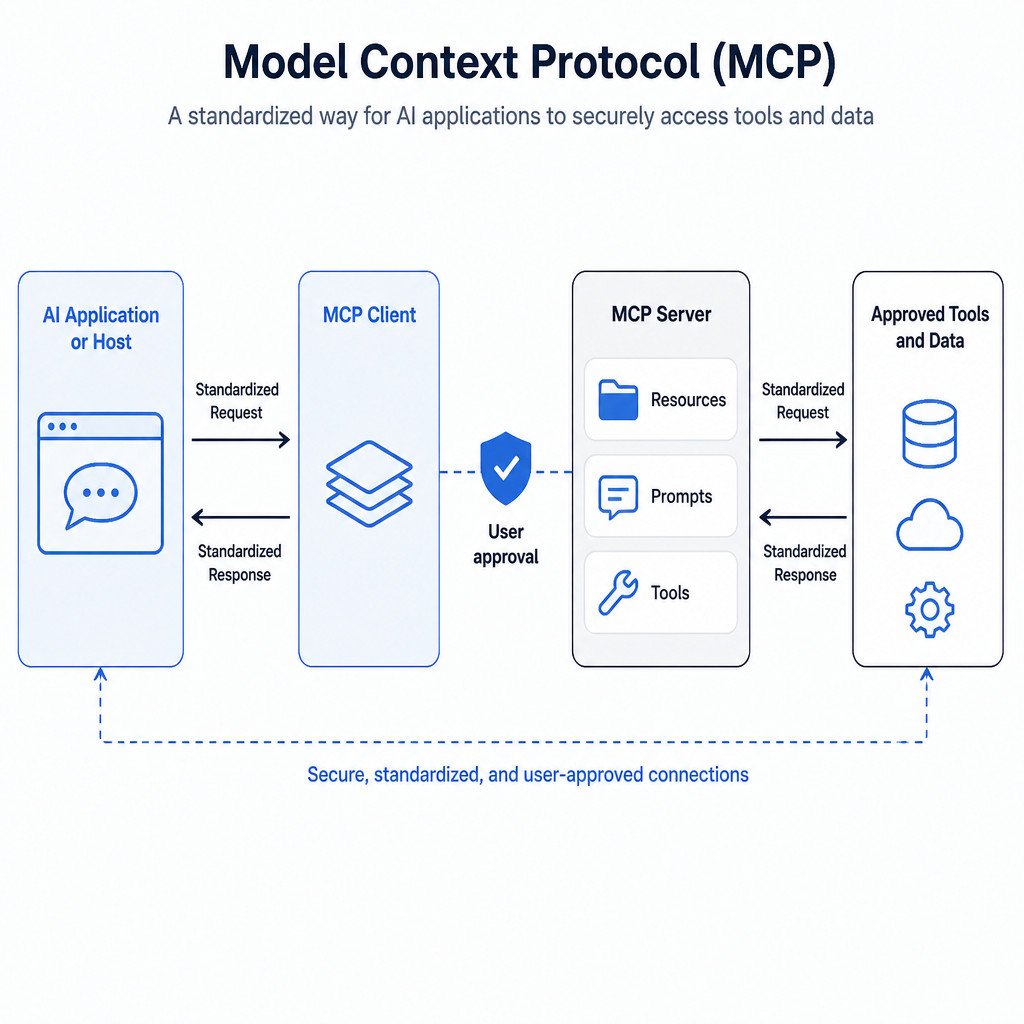
A2A is often discussed alongside the Model Context Protocol (MCP), though the two handle different types of connections. MCP helps an agent use tools and data sources. A2A lets one agent work with another as a peer. As businesses deploy more agent-based software, shared standards such as A2A may reduce integration work and make multi-agent systems more practical.