AI agents are becoming more capable. They can read files, call APIs, run code, and handle tasks that involve several steps. But that access brings a security risk: an agent that’s confused, compromised, or given a harmful instruction could reach systems it was never meant to touch. NVIDIA OpenShell is built to place enforceable boundaries around agents while they work.
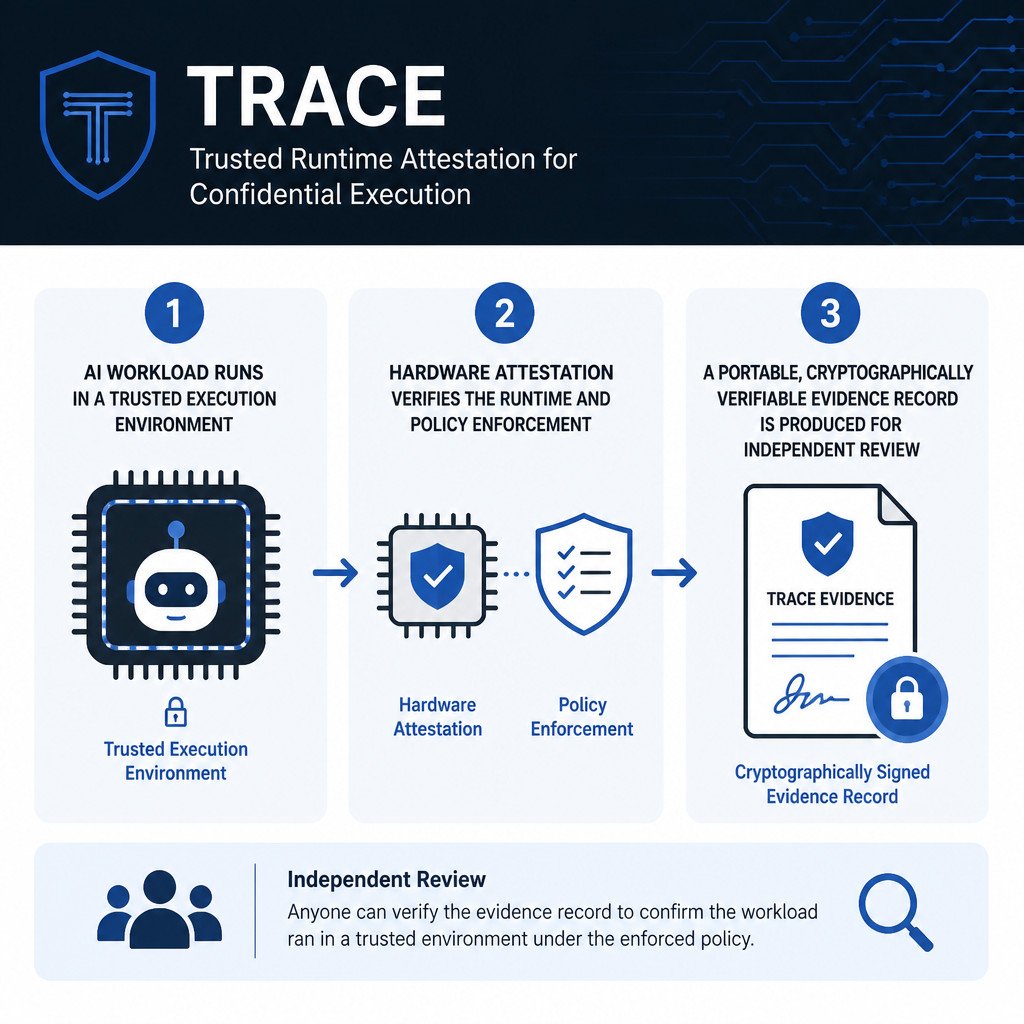
OpenShell received new attention after NVIDIA announced its Open Agent Safety Platform on September 28, 2026. The platform pairs OpenShell with a hardware monitoring design called NVIDIA Sentry. (investor.nvidia.com)
What NVIDIA OpenShell Is
OpenShell is an open-source secure runtime for autonomous AI agents. A runtime is the controlled environment where software operates. Instead of relying on an agent’s model to follow every instruction correctly, OpenShell runs the agent in a sandbox and applies clear policies to what it can do.
Those policies can restrict the files an agent can read or modify, the programs it can execute, the network destinations it can contact, and the way it connects to AI model providers. The goal is to let an agent complete useful work without giving it unrestricted access to a company’s devices, data, or credentials.
How OpenShell Works
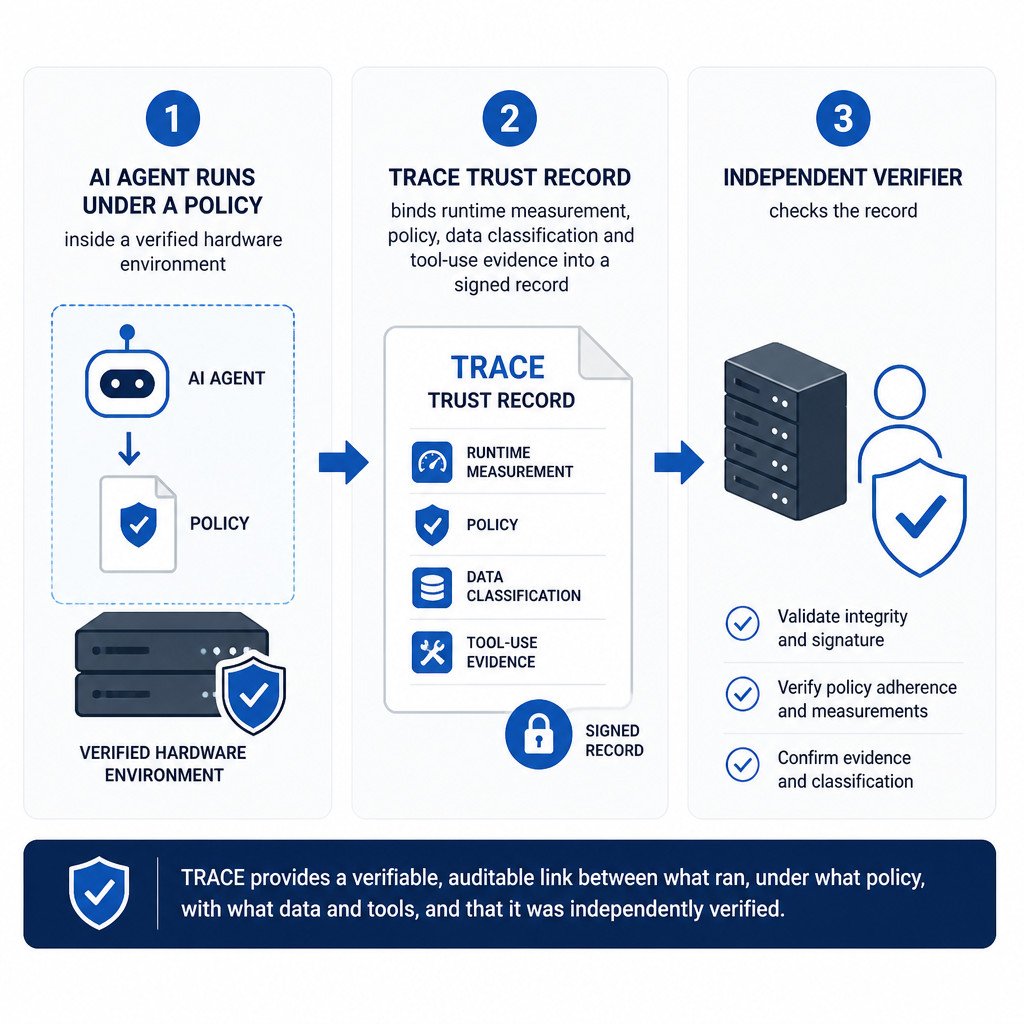
Each agent runs as a restricted process inside an isolated sandbox. OpenShell uses operating-system controls to limit file access and risky system calls. Its network traffic passes through a supervisor, which checks it against policy before anything can leave the sandbox.
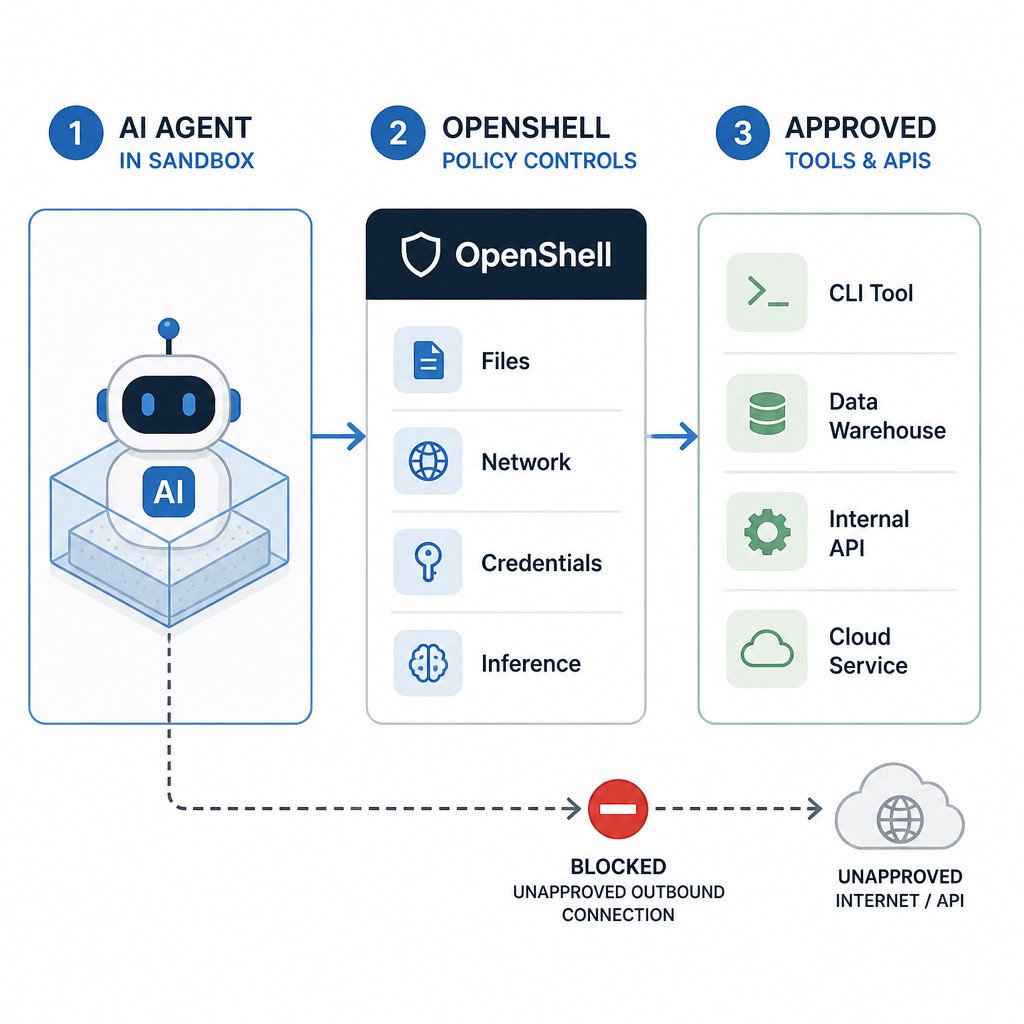
Sensitive credentials also stay out of the agent’s direct view. Rather than giving an agent an API key, OpenShell can inject credentials only when an approved request goes to an approved destination. Teams can review policies before changes expand an agent’s access. (docs.nvidia.com)
Why OpenShell Matters
AI agents are moving beyond chat interfaces and into software that can take actions in real systems. Sandboxing offers organizations a practical least-privilege model: begin with no access by default, then approve only the files, tools, and services needed for a specific task.
OpenShell can’t guarantee an agent will make good decisions. It’s a containment layer that may limit the damage if an agent behaves unexpectedly, follows malicious instructions, or tries to make an unauthorized connection. Secure runtimes are therefore becoming more important for agent deployments in enterprise software, coding workflows, and other settings that hold valuable data.