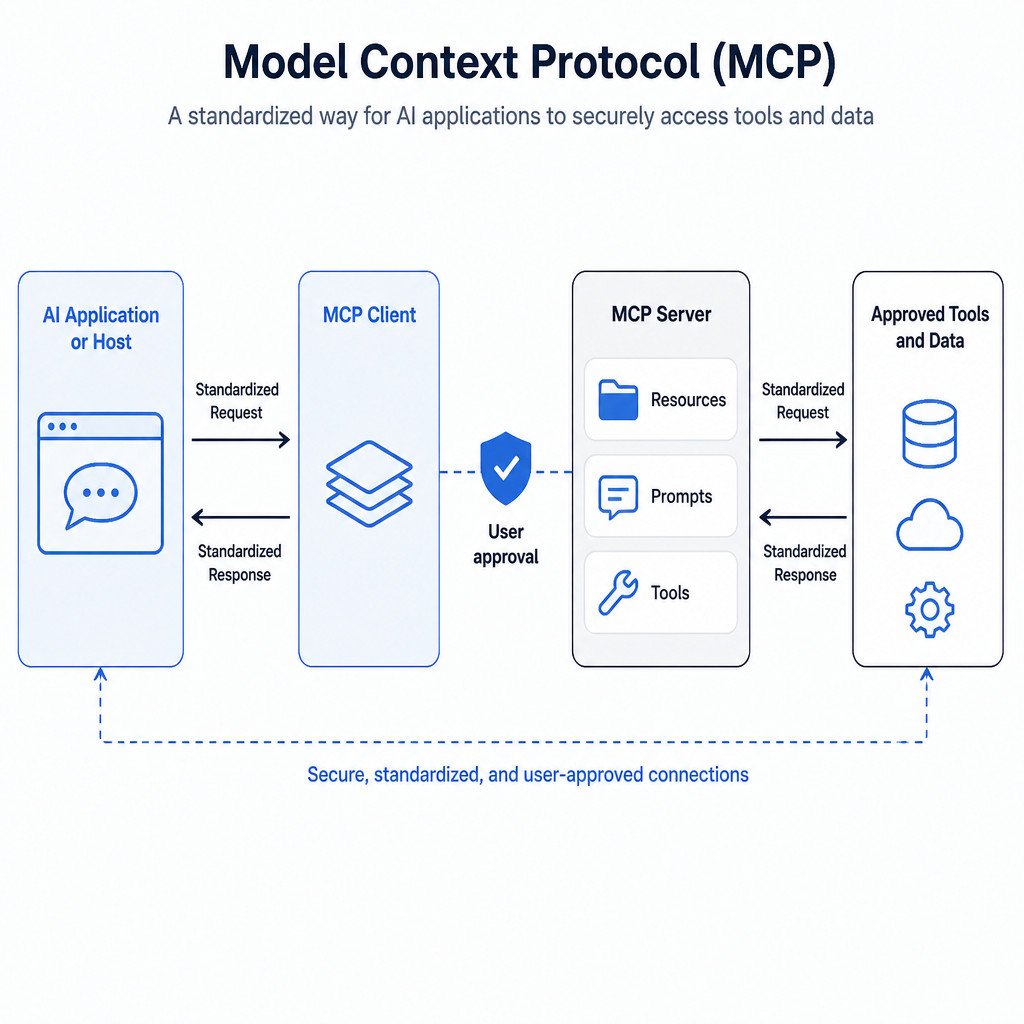
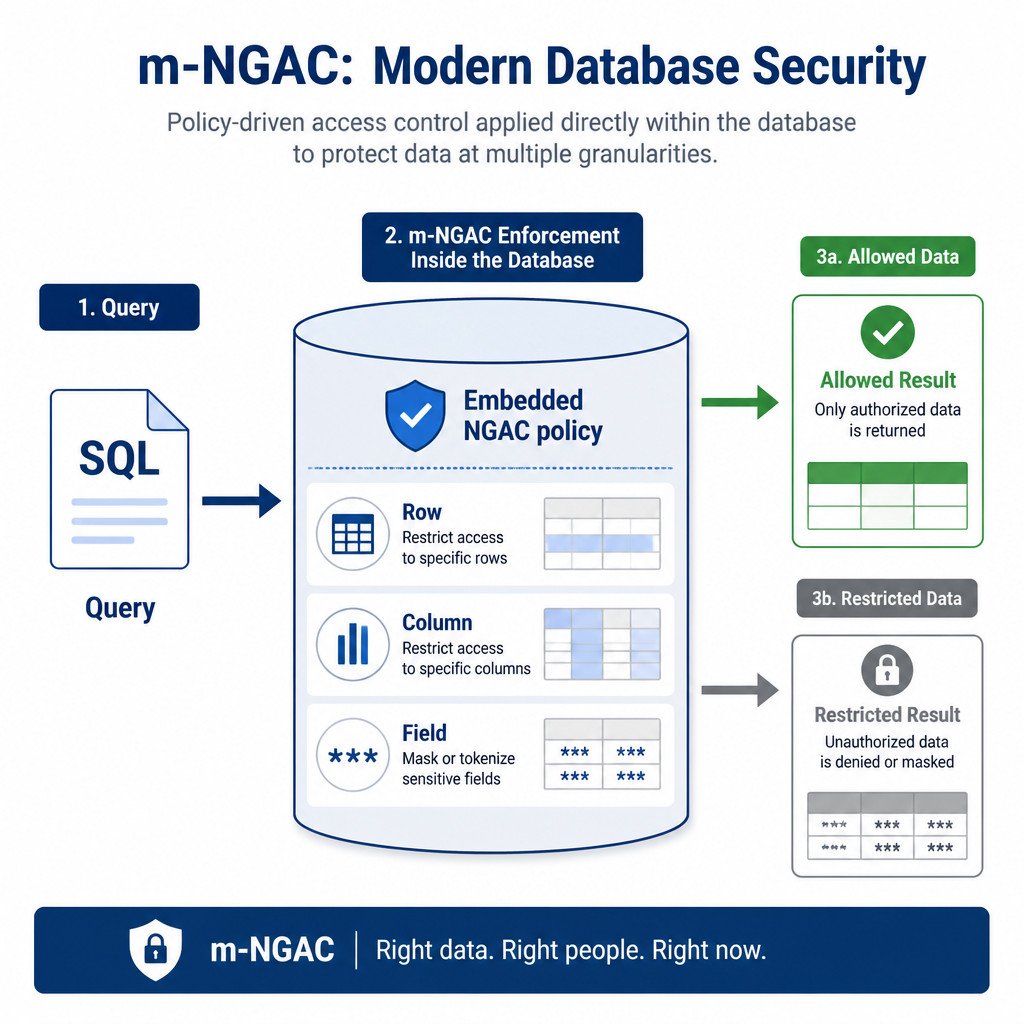
AI agents are starting to access company data, call software tools and carry out multi-step tasks. That raises a difficult security question: how can an organization prove what an agent actually did while it was running? TRACE, short for Trust, Runtime Attestation and Compliance Evidence, is a new open specification created to provide that proof. It gained new relevance on August 25, 2026, when the Linux Foundation announced that TRACE had been contributed for vendor-neutral governance.
What TRACE Is
TRACE provides a common format for creating portable, cryptographically verifiable records of an AI workload’s execution. That workload might be an agent, a model-serving system or other software that handles sensitive information. Instead of asking an auditor or customer to rely on a cloud provider’s logs, TRACE is designed to produce evidence showing where the workload ran, which software and policies were associated with it, and what tools or data classifications were involved.
How TRACE Works
TRACE builds on hardware attestation, a security technique used in confidential computing. A protected execution environment can generate a signed report identifying the hardware and software state in which it’s running. Before sensitive data or credentials are released, a verifier can confirm that the environment meets approved requirements.
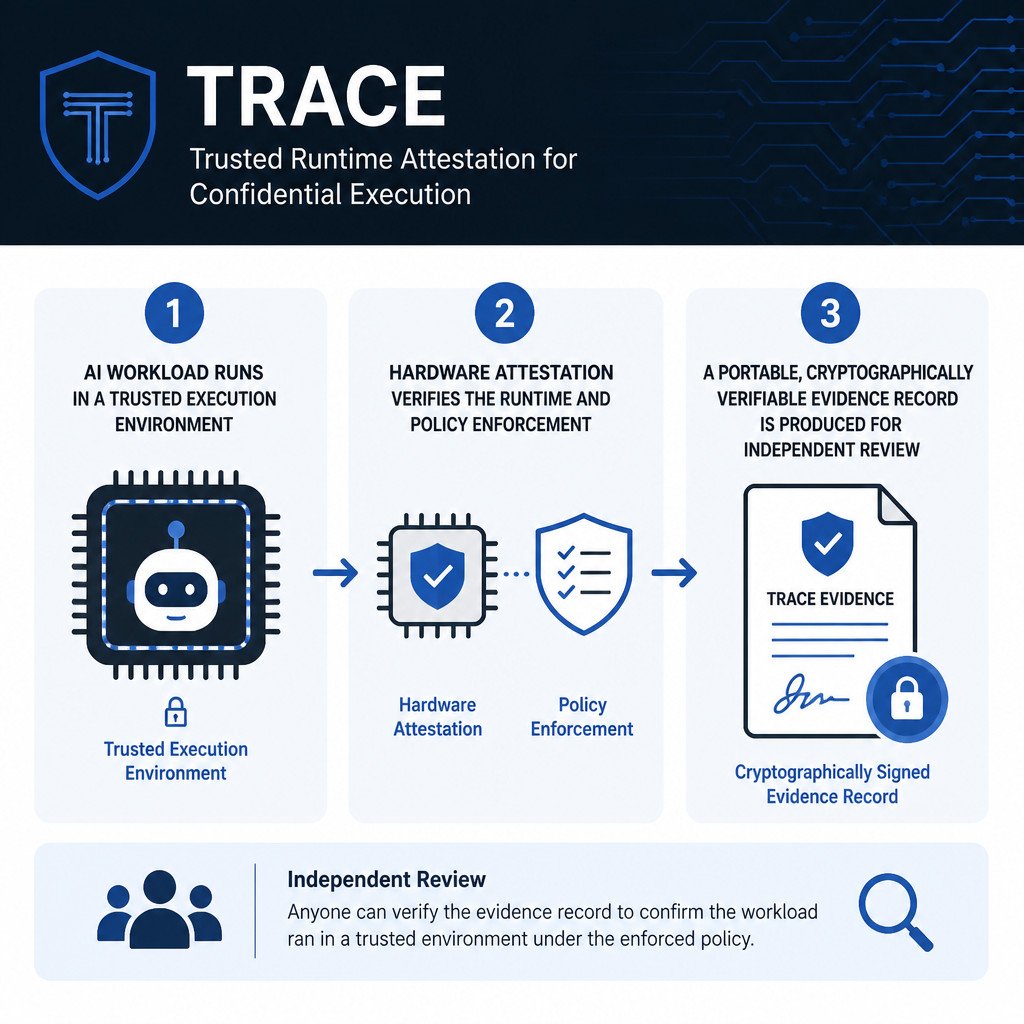
TRACE pairs that hardware-backed proof with runtime details, including workload identity, policy controls and records of tool use. The resulting evidence artifact can move with the workload across supported cloud or confidential-computing environments. Other systems can then validate the cryptographic evidence independently rather than relying only on a vendor’s internal dashboard.
Why TRACE Matters
Traditional audit logs are useful, but they don’t necessarily prove that a system was protected against tampering while it ran. TRACE aims to narrow that trust gap for organizations deploying AI with regulated or confidential data. It could help security teams confirm that an agent ran in an approved environment and that specified controls were enforced before the agent accessed a database or called an external tool.
Where TRACE Could Be Used
Potential uses include healthcare, finance, government and large enterprise AI deployments, particularly when agents operate across multiple clouds or infrastructure providers. TRACE isn’t a general-purpose AI safety solution, and it doesn’t determine whether an agent’s goal is sensible. Instead, it provides verifiable technical evidence about the environment in which the agent ran and the governance controls surrounding its execution.