Choosing an AI model is getting harder for teams that create images, video, or audio. Models differ in price, speed, supported media types, and output quality. AI media model routing is a software layer that makes this choice automatically. The concept gained new relevance after Runway introduced its Media Router on July 23, 2026, bringing automated routing to generative-media requests. (runway.com)
What Is AI Media Model Routing?
AI media model routing sends each creative AI request to the most suitable available model, rather than hard-coding a single model into an app. A developer may prefer a low-cost model for quick previews, for instance, while choosing a higher-quality option for a final marketing video.
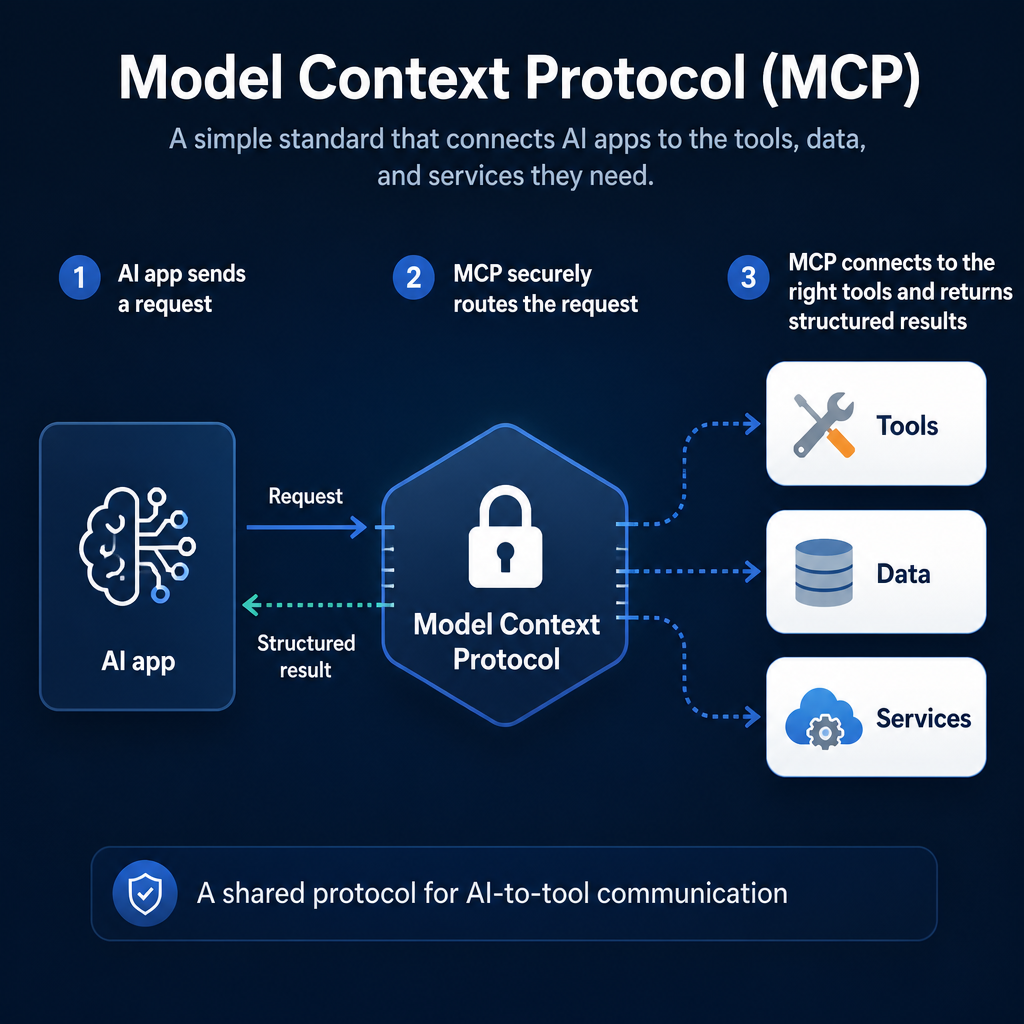
The router doesn’t generate the image, video, or audio. Instead, it sits in front of those generators as a decision-making layer, applying the team’s rules and selecting from a pool of permitted models.
How Does It Work?
A developer begins by creating a routing configuration. Preferences might include cost, latency, meaning how quickly a result arrives, or quality. The configuration can also set firm limits, such as a maximum price and an approved list of providers or models.
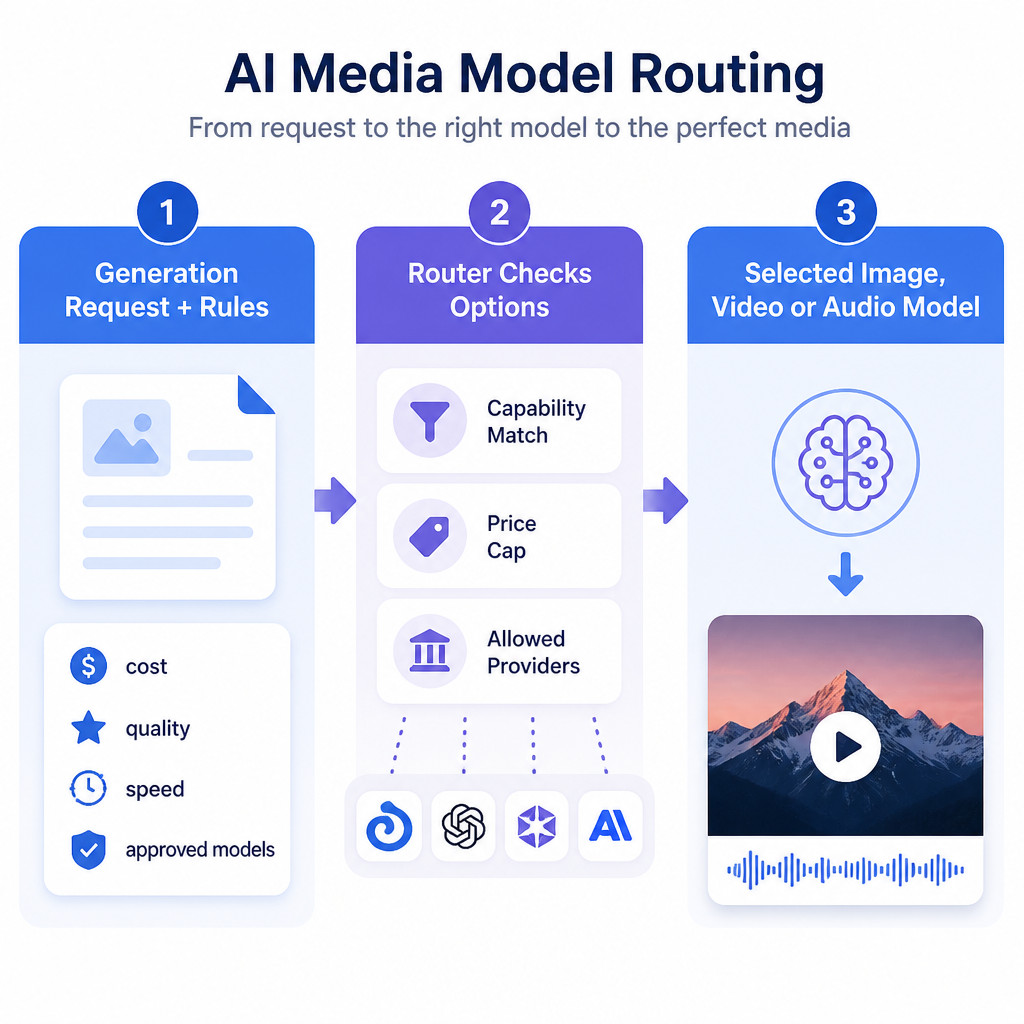
Once an app submits a generation request, the router checks which models support the required capability and media type. Any option that breaks the rules is removed. The router then scores the remaining choices according to the selected preferences and sends the request to the highest-scoring eligible model. A well-designed system can also return metadata explaining which model it chose and why. (runway.com)
Why Does It Matter?
Model catalogs change fast. New generators appear, prices shift, and individual models improve at different tasks. Routing allows teams to update their choices in one place instead of rewriting an application whenever something changes. It can also help high-volume creative workflows stay within a defined budget or meet a response-time target.
This approach is especially useful for AI creative tools, marketing-production systems, design platforms, and apps that generate large numbers of media assets. It can’t guarantee that every result will be the best possible output, but it gives organizations a consistent way to balance quality, cost, speed, and control.