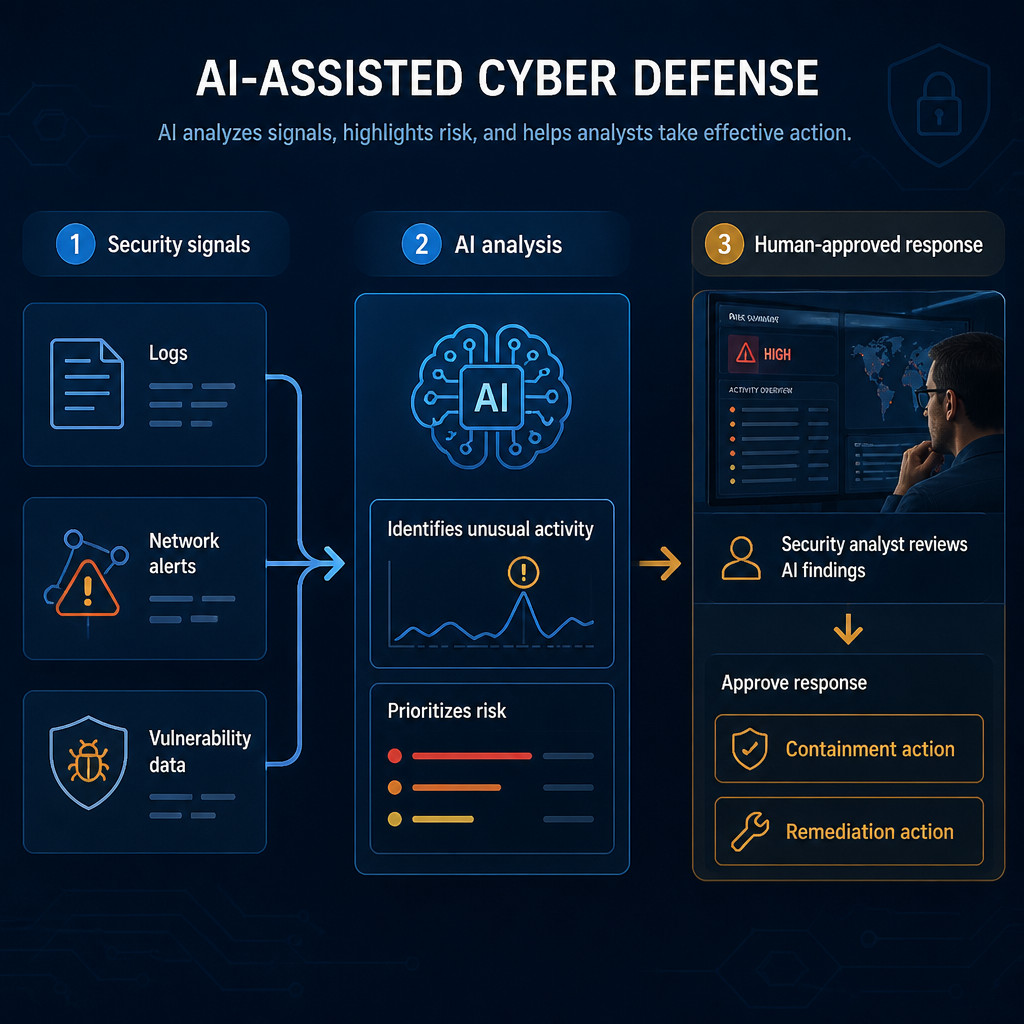
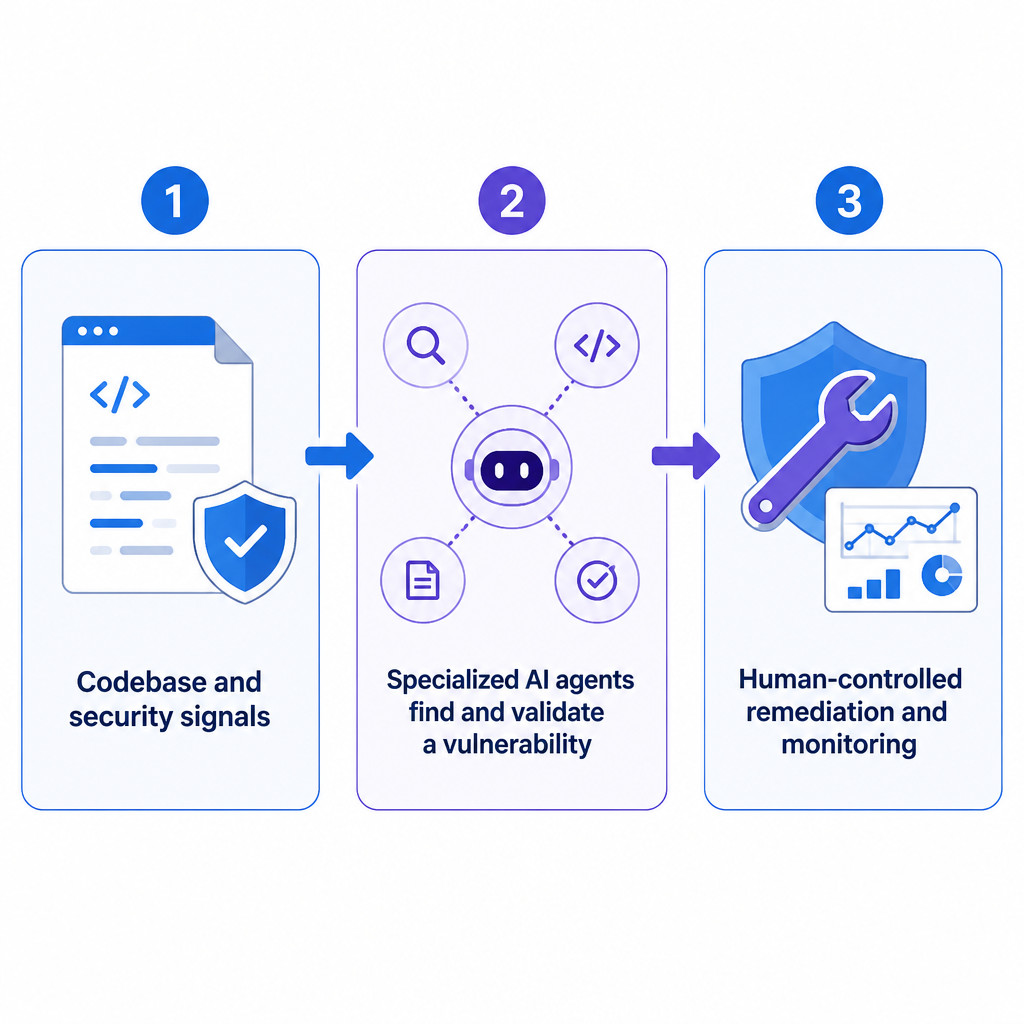
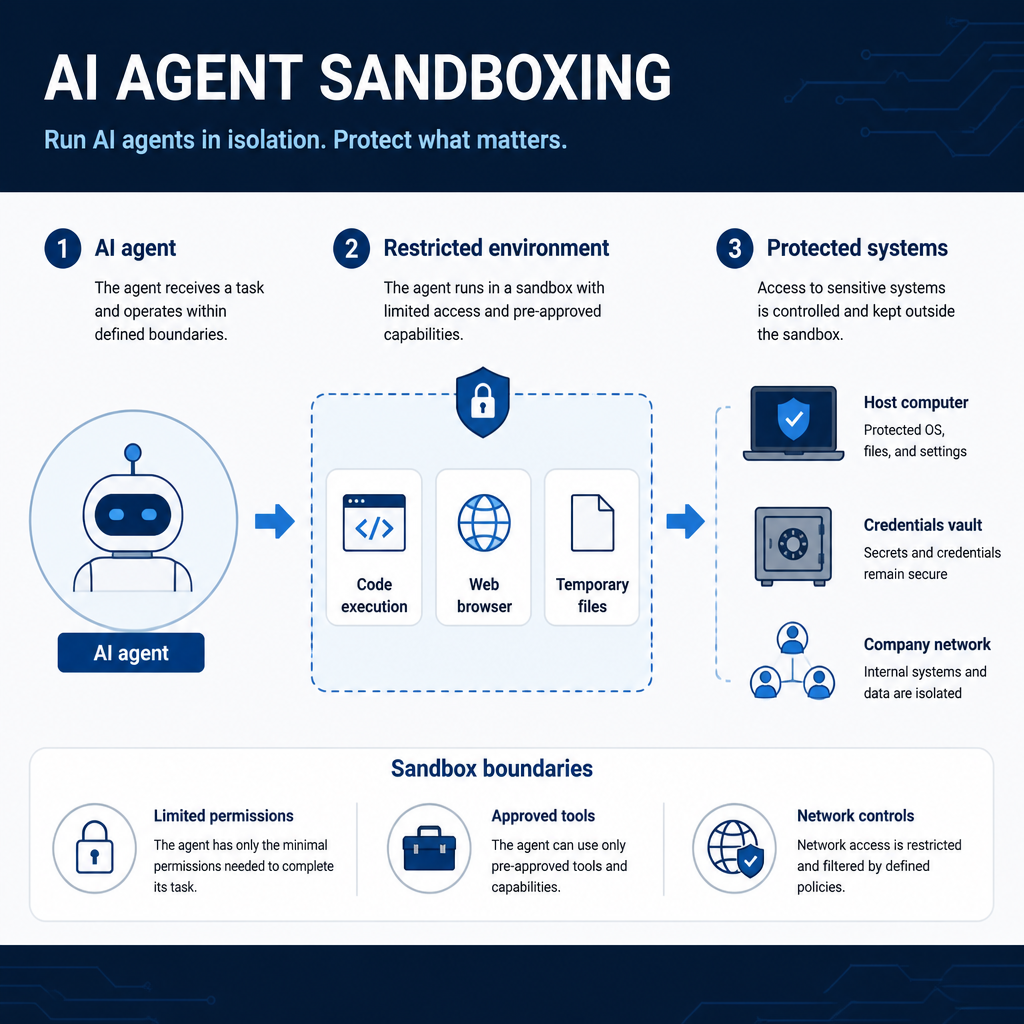
AI agents are moving beyond chatbots that simply answer questions. They can look up information, work with business software and take limited actions. As those capabilities grow, human-in-the-loop AI agents are becoming more important. They automate routine work, then pass uncertain, sensitive or high-impact decisions to a person.
This approach is especially relevant as companies introduce agents for customer service and internal support. On July 22, 2026, OpenAI introduced OpenAI Presence, an enterprise product built around policies, guardrails, approved actions and escalation rules for voice and chat agents.
What Is a Human-in-the-Loop AI Agent?
A human-in-the-loop AI agent is an AI system that brings a person into a workflow at defined points. It can handle straightforward tasks independently, but when a case falls outside its permitted boundaries, the agent must request a review, seek approval or hand over control.
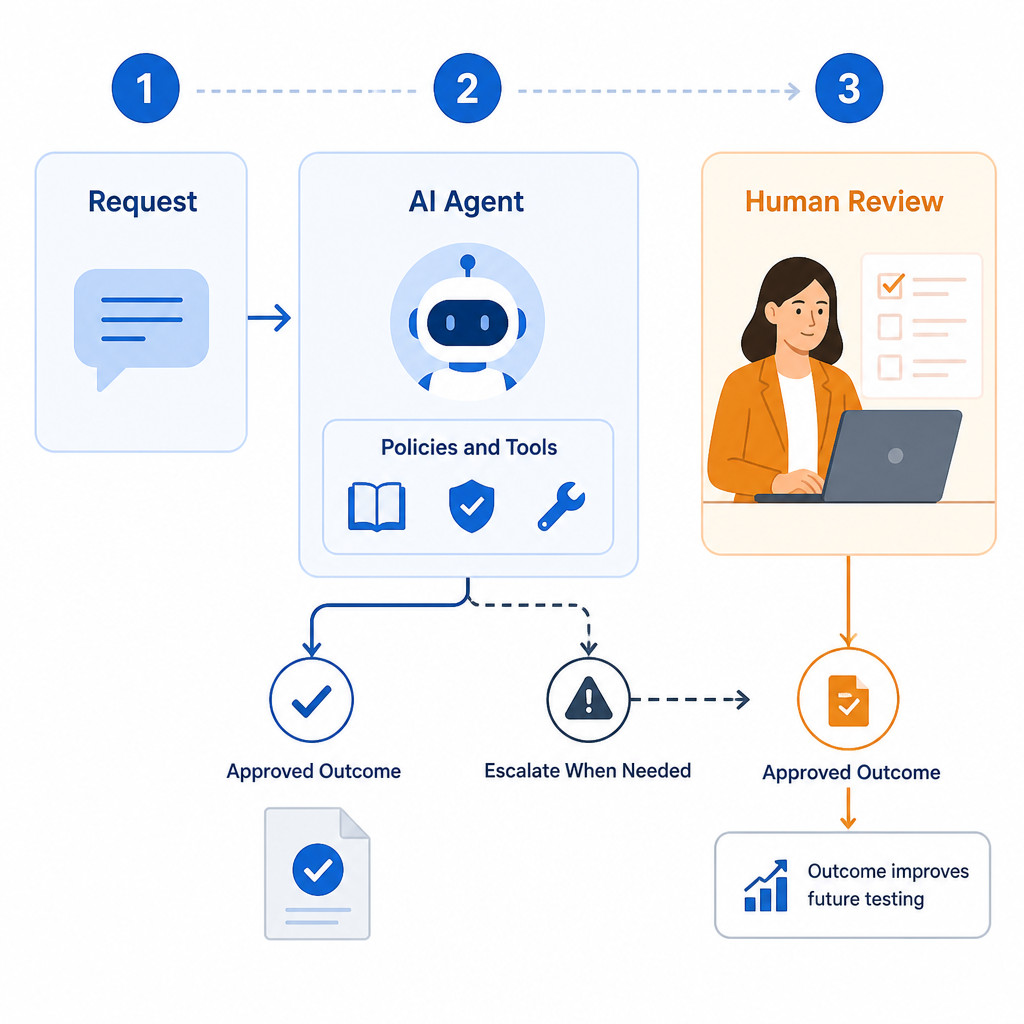
For instance, a support agent might verify a customer, locate an account record and explain a billing charge. But if the customer asks for an unusual refund, disputes an identity check or makes a complaint involving legal risk, the system can escalate the conversation to a trained employee.
How Does It Work?
Organizations begin by defining the agent’s job, what information it can access and which tools it’s allowed to use. They also set rules for actions such as changing an account, issuing a credit or sharing sensitive information.
During a live interaction, the agent applies those rules alongside its model-generated response. Depending on the situation, it may complete an approved action, ask for confirmation or transfer the task to a person. Teams can test the agent with normal situations and edge cases, then examine real escalations to find failures or gaps in its instructions.
Why Does It Matter?
Human oversight makes AI automation more practical in settings where mistakes can be costly. It restricts what an agent is allowed to do, keeps accountability with people and gives them control over exceptions rather than expecting a model to handle every case perfectly.
It also offers companies a realistic path to adoption. They can automate repetitive work first while leaving people responsible for judgment calls, unusual cases and decisions that call for empathy or authority.