MDASH is a multi-agent AI system built to help security teams find, verify and remediate weaknesses in software code. The term has gained new relevance since Microsoft announced an updated version of MDASH on July 27, 2026, paired with its specialized MAI-Cyber-1-Flash cybersecurity model.
What MDASH Means
MDASH stands for multi-agent vulnerability identification and remediation harness. In this context, a harness is a framework that coordinates AI models and tools around a specific job. Instead of relying on one general-purpose AI to inspect a whole application, MDASH divides the work among several focused agents.
In cybersecurity, a vulnerability is a coding or configuration error that could lead to unauthorized access, exposed data or disruption. These flaws can be hard to find because large codebases often contain many files and dependencies, along with many possible paths through an application.
How MDASH Works
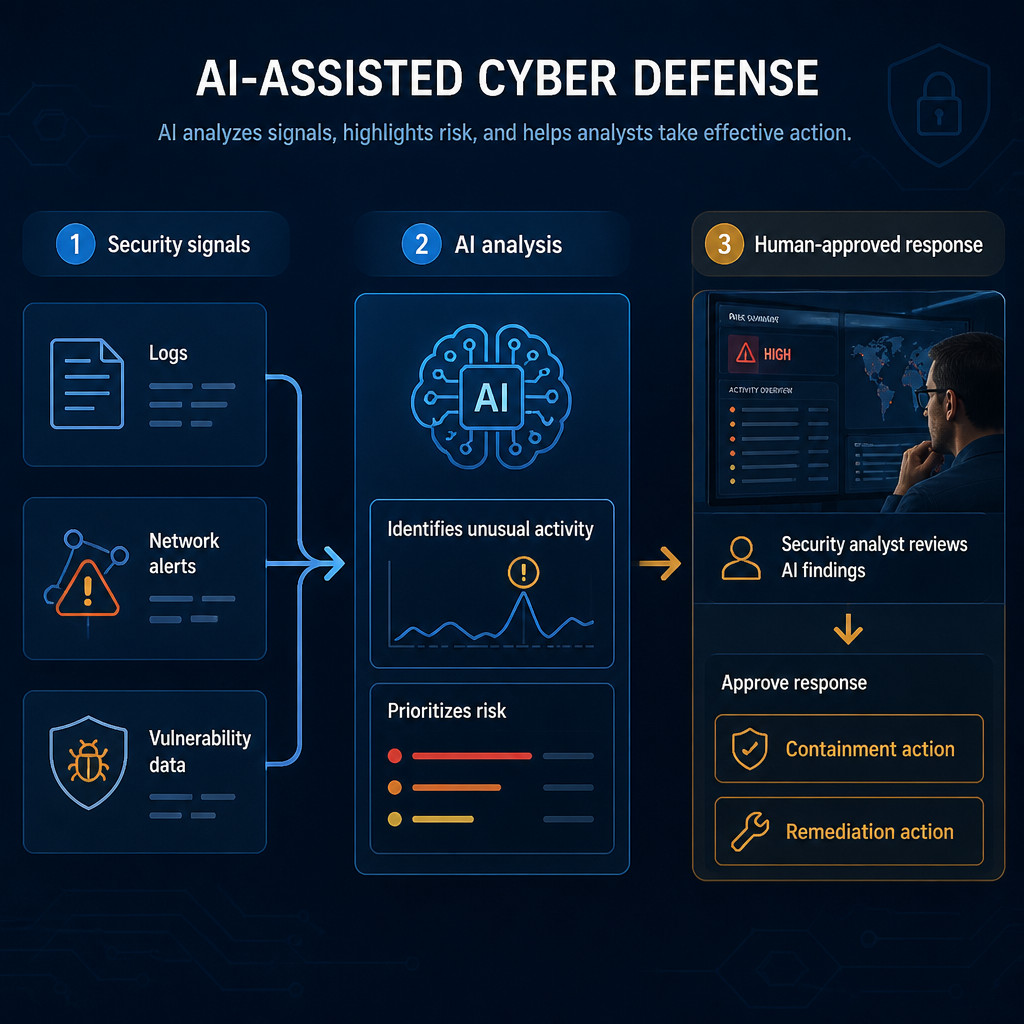
MDASH brings together AI models, security data and agents designed for specific tasks. One agent might inspect code, while another traces the movement of data through an application. Others can test whether a suspected flaw is exploitable or suggest a fix.
The agents can share their findings, allowing the system to check an initial warning before treating it as a genuine issue.
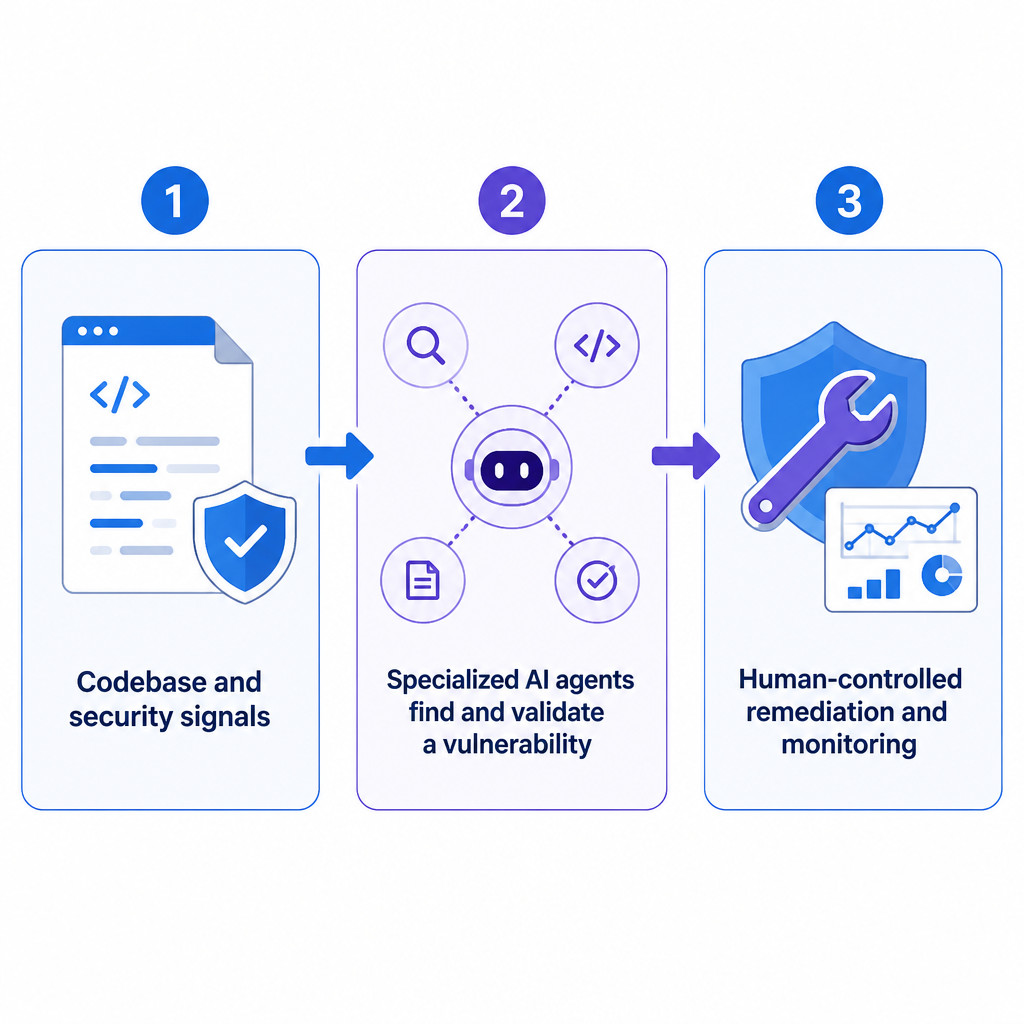
Microsoft says the updated setup uses MAI-Cyber-1-Flash for most routine security work and reserves larger models for especially difficult investigations. The aim is to do more than flag suspicious code. MDASH is intended to move more quickly through discovery, validation and remediation.
Why MDASH Matters
Traditional code-scanning tools can generate long lists of alerts, and many still require manual investigation. Multi-agent systems try to ease that bottleneck by breaking security work into smaller, specialized steps. As software changes, this approach may help defenders examine more code on a continuous basis.
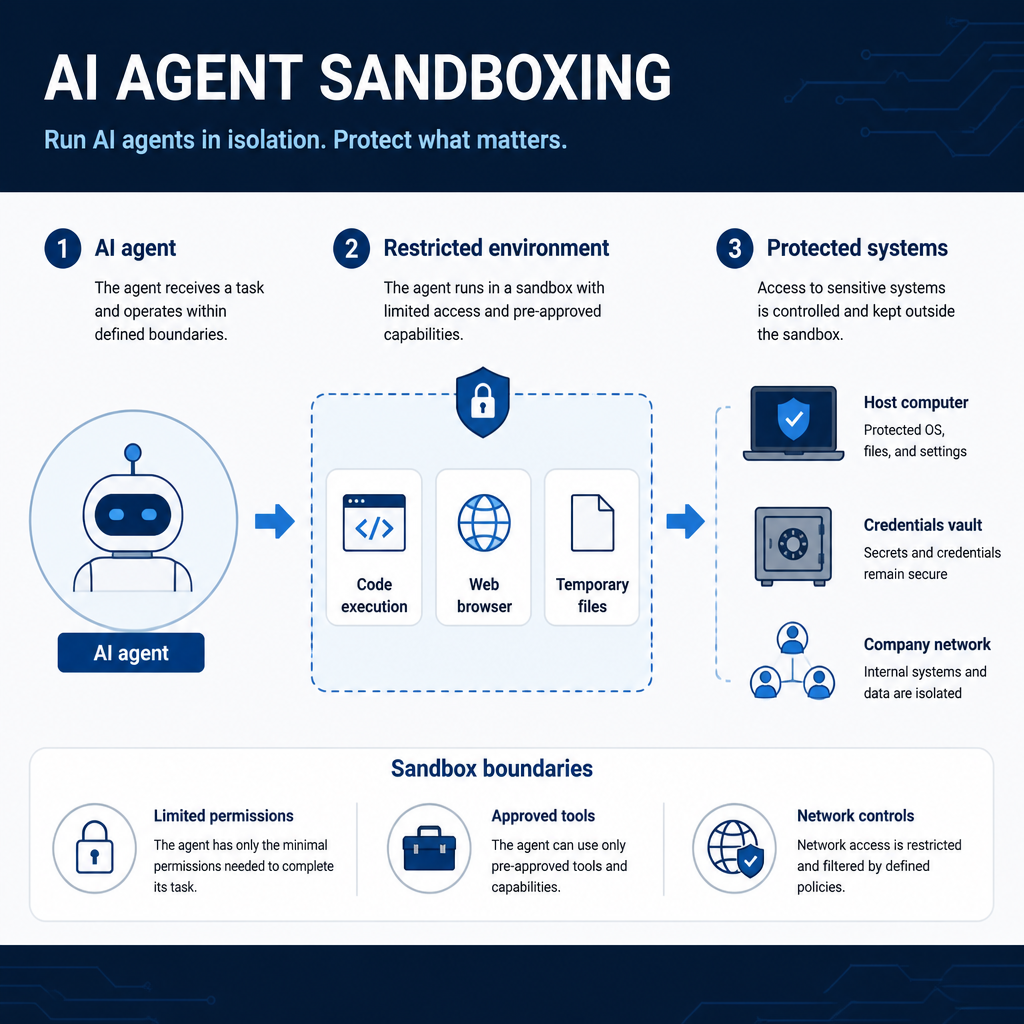
It doesn’t make patching fully automatic or free of risk. Proposed fixes still need controls, testing and human oversight, particularly in systems that handle money, health information or critical infrastructure. According to Microsoft, MDASH includes enterprise safeguards such as role-based controls, tenant isolation, auditability and sandboxed execution.
Why MDASH Is Getting Attention Now
MDASH reflects a broader move toward agentic security, in which AI systems can take part in structured defensive workflows rather than merely summarize an alert. Microsoft’s July 2026 announcement brought more attention to the approach as organizations search for ways to keep pace with the rising volume and complexity of software vulnerabilities.