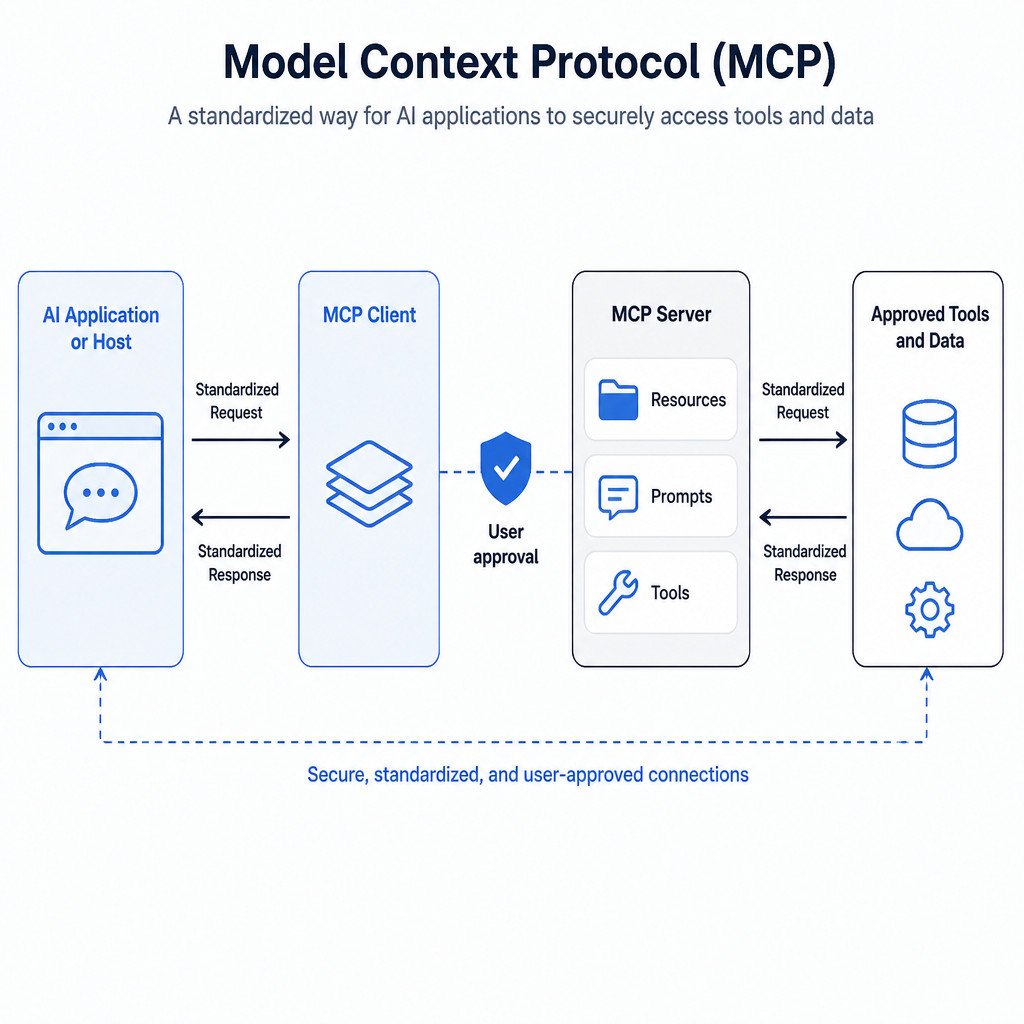
Stateless MCP is a redesigned version of the Model Context Protocol (MCP), the open protocol that connects AI applications and agents to external tools, data and services. The concept has gained new relevance because the MCP specification revision dated July 28, 2026 made a stateless core one of its biggest changes.
What Is Stateless MCP?
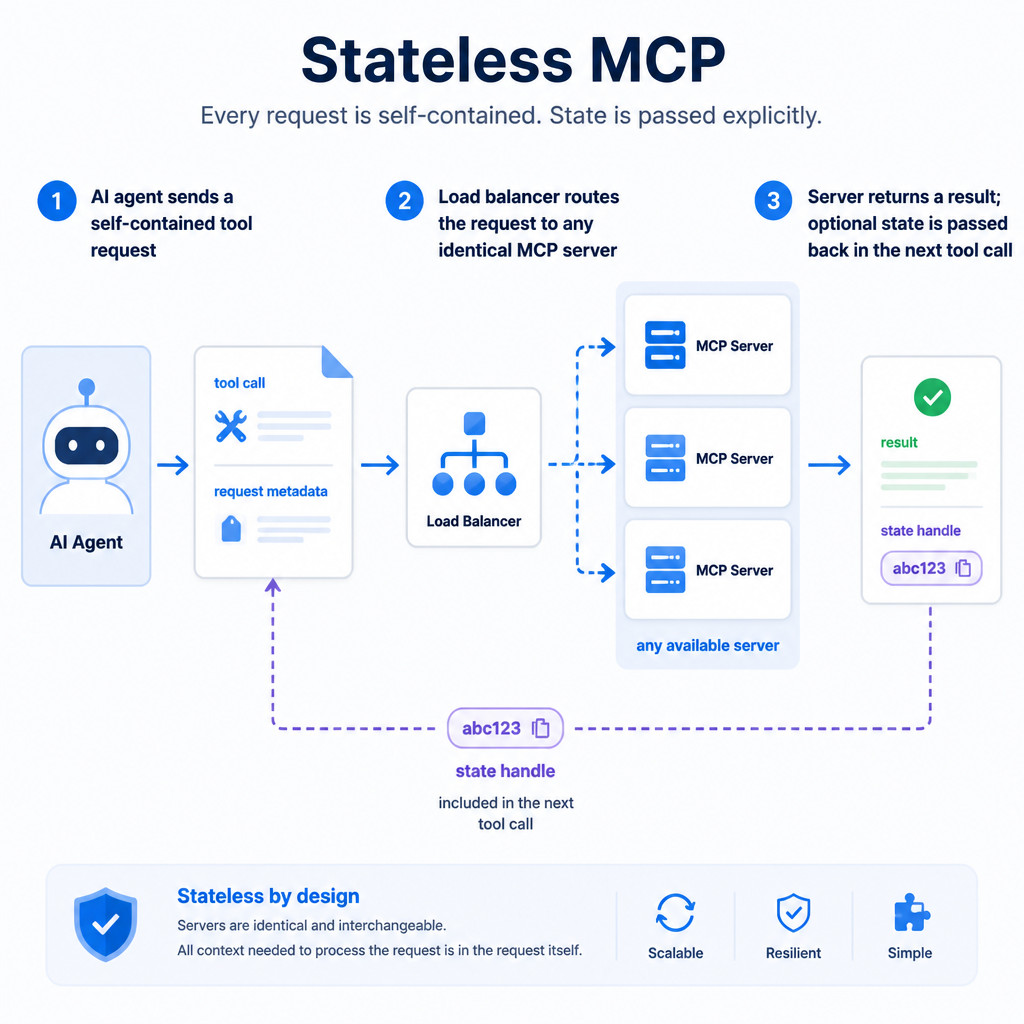
In computing, a stateless service doesn’t need to remember an earlier connection before handling the next request. Under stateless MCP, an AI agent can send a self-contained request to use a tool, such as searching a database or creating a support ticket. Any available server instance can handle it.
Earlier remote MCP deployments could use a session identifier created during an initialization handshake. Later requests might then be tied to a particular server, or the deployment would need shared session storage. The updated HTTP flow removes that protocol-level handshake and session ID.
How Stateless MCP Works
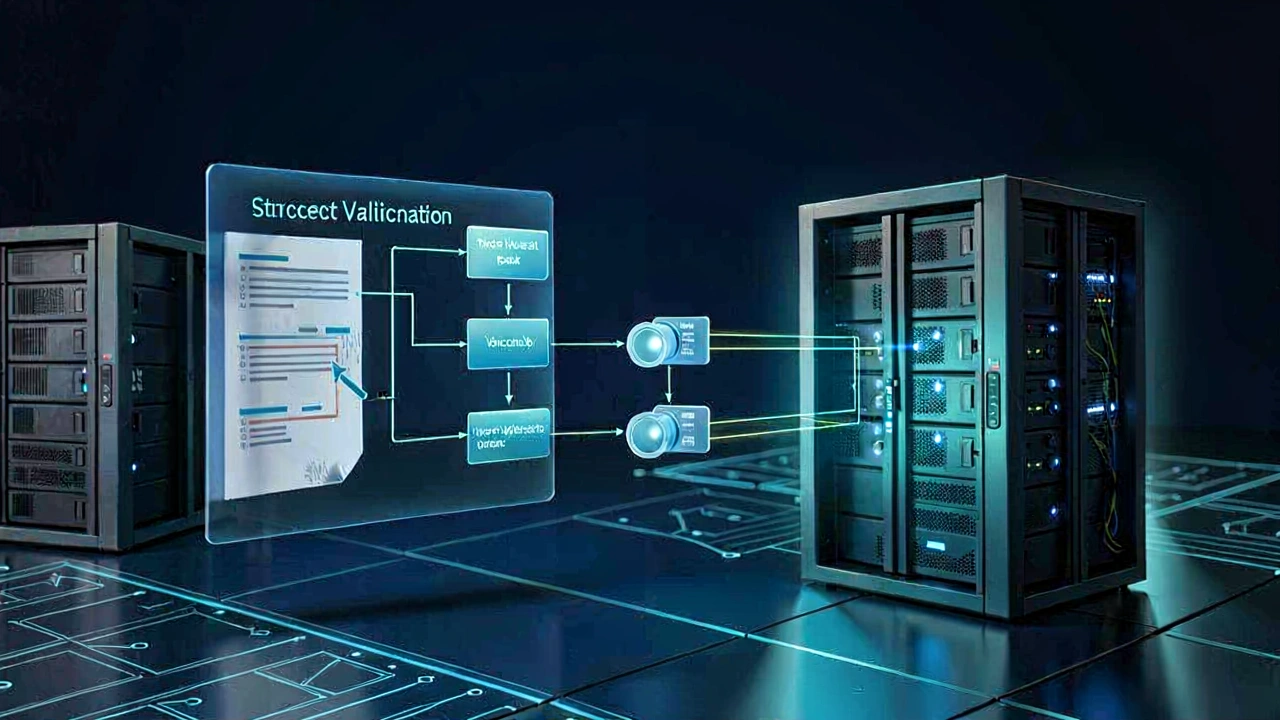
Rather than storing essential connection details in a server-side session, each request includes the information required to process it, including protocol and client metadata. A client can send a server/discover request to find out what an MCP server supports.
Applications can still maintain ongoing state. A shopping or browser tool, for instance, might return an explicit identifier such as a basket ID or browser ID. The AI agent then passes that identifier as a normal argument in a later tool call. State is visible and deliberate instead of being hidden inside the protocol connection.
Why Stateless MCP Matters
Stateless MCP is intended to make production AI systems easier to scale. Requests can move through standard HTTP infrastructure and load balancers without sticky routing that sends them back to the same server. This can simplify deployment, improve resilience when servers are replaced and make it easier to run MCP tools across multiple cloud instances.
For developers, the change also promotes clearer tool design. If a later action needs context, the tool returns a handle and the agent supplies it again. That makes the connection between steps more explicit and can help agents combine information from several tools. Stateful application behavior is still possible. MCP just no longer manages that state through a built-in transport session.